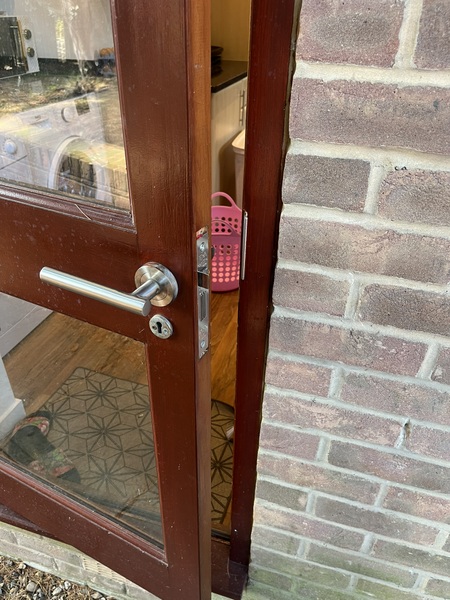
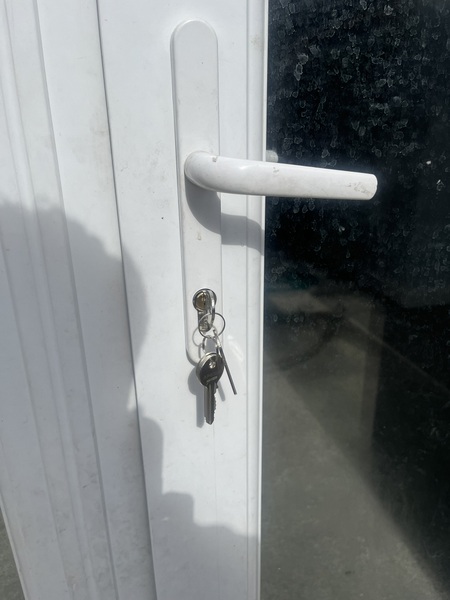
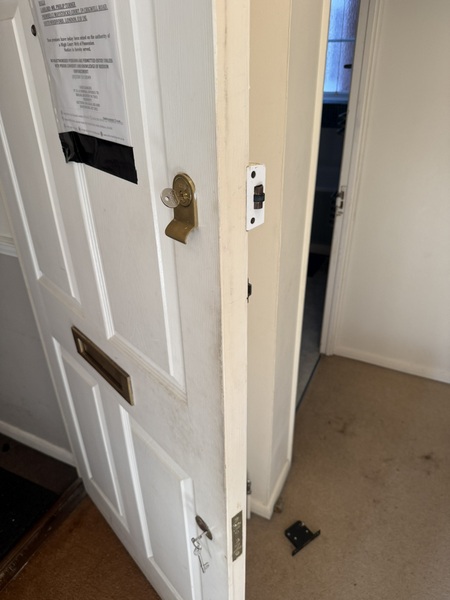
Locksmith services, Your home’s security starts with its locks. Outdated, worn, or substandard locks leave properties vulnerable to break-ins and may invalidate insurance coverage. Whether you’re upgrading for better security, replacing worn locks, or fitting additional protection to doors and windows, proper lock installation makes a genuine difference to how safe your home feels and actually is.
A Handy Hand provides professional lock fitting and upgrade services across Enfield, Barnet, Haringey and throughout North London. We install quality locks to manufacturer specifications, advise on appropriate security levels for your property, and ensure your locks meet insurance requirements where needed. No emergency call-out charges, just straightforward lock fitting by a skilled local locksmith
Call us on 020 8103 5151 for a free quote.
Many homes have locks that no longer provide security. Lock technology improves, wear reduces effectiveness, and insurance cover requirements change. Knowing why upgrades matter helps focus your security investment.
Insurance compliance often requires specific lock standards. Most home insurance policies require external doors to have locks that meet British Standard BS3621. Older locks or non-compliant replacements can void coverage, leaving you unprotected despite paying premiums. Upgrading to compliant locks satisfies insurers and provides a genuine security improvement.
Worn locks become easier to defeat. Mechanisms that have operated thousands of times develop wear, which compromises security. Keys that turn too easily, locks that don’t engage smoothly, or cylinders that feel loose all indicate locks past their best. Replacing worn locks restores proper security function.
Previous occupant access concerns many homeowners. Moving into a new property may mean there are an unknown number of keys for the current locks. Previous owners, tenants, contractors, and others may retain copies. Changing locks on moving day eliminates this uncertainty completely.
Lock technology improves over time. Anti-snap cylinders, anti-pick mechanisms, and anti-bump features address attack methods that older locks weren’t designed to resist. Modern locks provide protection against techniques that older designs cannot withstand. All entry points need secure locks, not just the front door. Upgrading all locks ensures property-wide security.
Different doors and situations need different lock types. We fit the full range of household locks and advise on appropriate choices for each application.
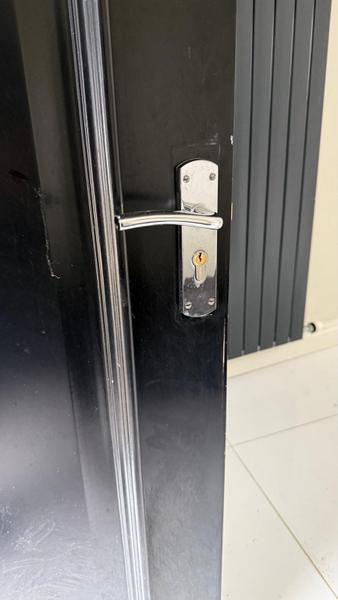
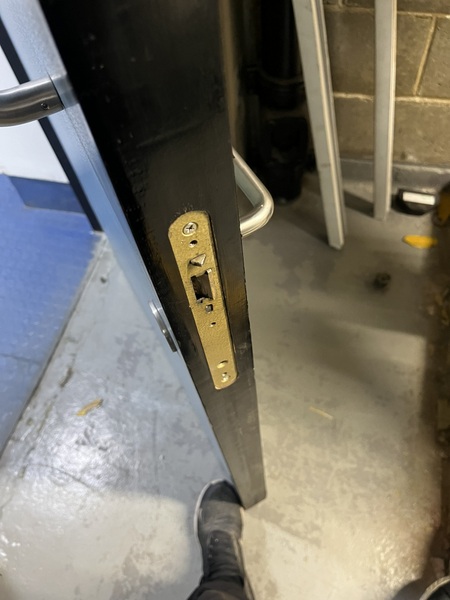
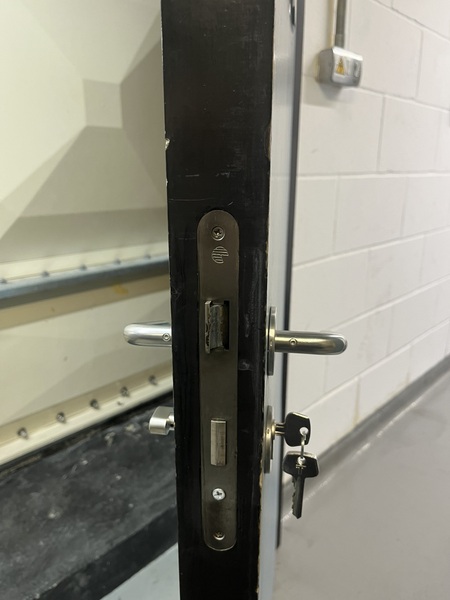
Mortice locks fit into pockets cut into door edges rather than mounting on surfaces. This recessed installation provides strength and security that surface-mounted locks cannot match. Mortice locks are standard for external doors on most British homes.
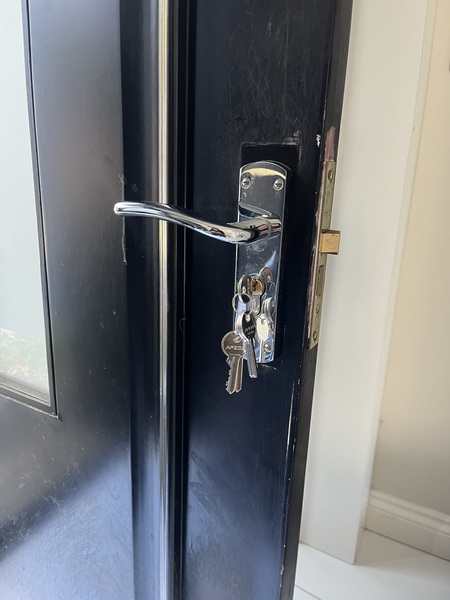
Five lever mortice deadlocks meeting BS3621 provide insurance-compliant security for external doors. The British Standard certification means locks have passed tests for drill resistance, pick resistance, and key security. We fit quality five-lever mortice locks from reputable manufacturers.
Mortice sashlocks combine deadlocking with a latch operated by handles. These suit doors where you want handle operation for everyday use, plus deadlock security when leaving the property. Sashlock installation requires careful alignment of the latch, deadbolt, and handles.
Three lever mortice locks suit internal doors where security matters, but British Standard certification isn’t required. Bedroom doors, home office doors, and storage rooms benefit from three lever locks at a lower cost than five lever alternatives.
Cylinder locks use removable cylinders that can be replaced without changing the entire lock mechanism. Euro profile cylinders are common on uPVC and composite doors. Oval and round cylinders appear on various door types.
Euro cylinder upgrades address a significant security weakness in many modern doors. Standard euro cylinders are vulnerable to snapping attacks, in which intruders break cylinders to access the lock mechanism. Anti-snap cylinders feature deliberate break points that leave the lock functional even if the outer section is attacked.
High security cylinders from manufacturers like Avocet, Ultion, and Yale Platinum provide multiple security features, including anti-snap, anti-pick, anti-drill, and anti-bump protection. These premium cylinders significantly increase resistance to common attack methods.
Thumb turn cylinders allow locking and unlocking from the inside without keys. These situations are where a quick exit matters, such as for elderly occupants or households with children. Thumb turns must be positioned where intruders cannot reach them through letterboxes or glass panels.
Night latches, often called Yale locks, provide convenient single-point locking for front doors. The latch engages automatically when doors close, with key operation from outside and handle or knob operation inside.
Standard night latches suit secondary locking alongside mortice deadlocks. They provide convenience for everyday coming and going, while the deadlock provides insurance-compliant security.
Deadlocking night latches automatically deadlock when doors close, preventing the latch from being pushed back with credit cards or similar tools. These provide better security than basic night latches while maintaining convenience.
British Standard night latches meeting BS3621 provide insurance-compliant security in night latch form. These suit doors where only one lock is practical, though two locks generally provide better security.
Windows represent a significant vulnerability if not properly secured. We fit various window lock types to improve security throughout your property.
Sash window locks secure traditional sliding sash windows. Brighton fasteners, sash stops, and dual screws offer varying levels of security for wooden sash windows. The type of suit for your windows depends on the window construction and security requirements.
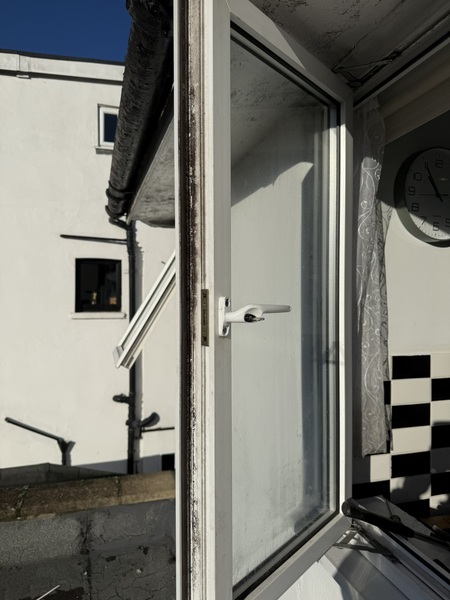
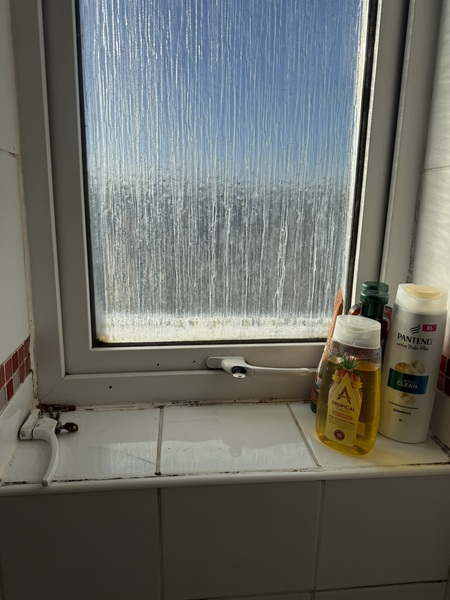
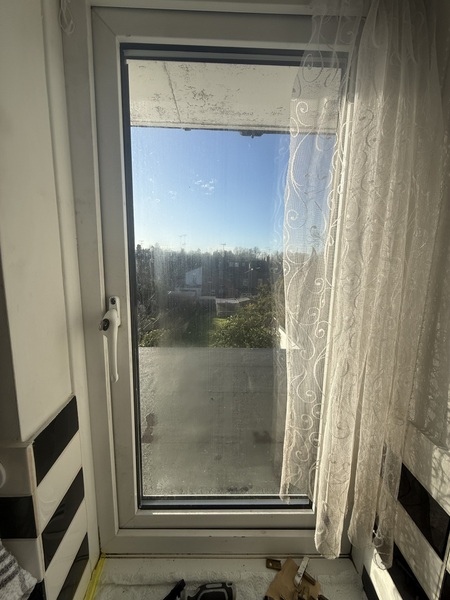
Casement window locks secure side-hinged windows. Cockspur handles, espagnolette locks, and window restrictors provide security appropriate to different window types and situations. uPVC window lock upgrades improve security over standard fittings. Upgrades include enhanced handles, additional shootbolts, or window restrictors for greater protection.
Window restrictors limit how far windows open, preventing entry while allowing ventilation. These are particularly suited to upper-floor windows in households with children, as they combine safety with security.
Beyond primary locks, additional hardware enhances door security significantly.
Door chains and restrictors allow doors to open partially for visitor identification while preventing full opening. These provide valuable security for anyone concerned about doorstep callers.
Door viewers, commonly called spy holes, allow occupant identification of visitors without opening doors. Standard and wide-angle viewers suit different door thicknesses and viewing requirements.
Hinge bolts, also called dog bolts, protect against hinge-side attacks on outward-opening doors. These fit into the door edges opposite the hinges and engage the frame when the doors close.
London and Birmingham bars reinforce doors against forced entry. These steel bars fit into door edges, distributing the force from kick attacks across larger areas and into stronger fastenings.
Letterbox guards and restrictors prevent tools from being inserted through letterboxes to reach locks or handles inside. These address a common burglary technique without blocking mail delivery.
British Standard certification matters for insurance compliance and genuine security. Understanding what the standards mean helps you make informed decisions about lock upgrades.
BS3621 is the key standard for thief-resistant locks. Locks meeting this standard have passed tests for attack resistance, including picking, drilling, and forcing. The standard also requires at least 1,000 different key combinations to prevent easy key duplication.
Insurance policies commonly require BS3621-compliant locks on external doors. Check your policy wording carefully. Some specify BS3621 on all external doors, others on final exit doors only. Non-compliance can void claims, so understanding your specific requirements matters.
Kitemarked locks display the BSI Kitemark confirming independent testing and certification. The Kitemark and BS3621 markings together confirm genuine compliance. Locks claiming to “meet” or “exceed” British Standards without Kitemark certification haven’t been independently verified.
TS007 is a newer standard specifically for euro cylinders that addresses the snap attack vulnerability. Three-star TS007 cylinders provide high attack resistance. One-star cylinders combined with one or two-star handles achieve equivalent protection. We can explain which approach suits your doors.
Insurance-approved locks may reference Sold Secure ratings or other approval schemes. Diamond, Gold, Silver, and Bronze ratings indicate different security levels. Higher-rated locks cost more but offer greater attack resistance and may qualify for insurance discounts.
Different doors require different approaches to lock fitting. Material, construction, and existing hardware all influence which locks suit and how installation proceeds.
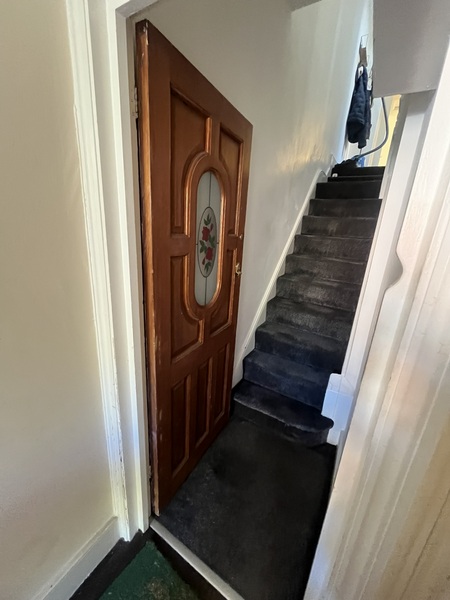
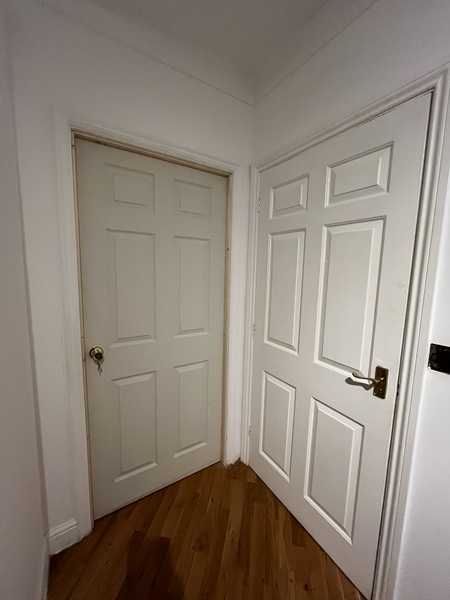
Traditional wooden doors suit the widest range of lock types. Mortice locks fit into the door edge, requiring a pocket to be cut into solid timber. Surface-mounted locks attach with screws to the timber face. Most lock types install straightforwardly on quality wooden doors.
Door thickness affects lock selection. Standard mortice locks require a minimum door thickness of 44mm. Thinner doors may need slimmer lock cases or alternative lock types. We assess door suitability before recommending specific locks.
Existing hardware may influence new lock positioning. Avoiding existing mortice pockets, hinge positions, and structural weak points guides optimal placement. Sometimes existing lock positions can be reused with upgraded locks of similar dimensions.
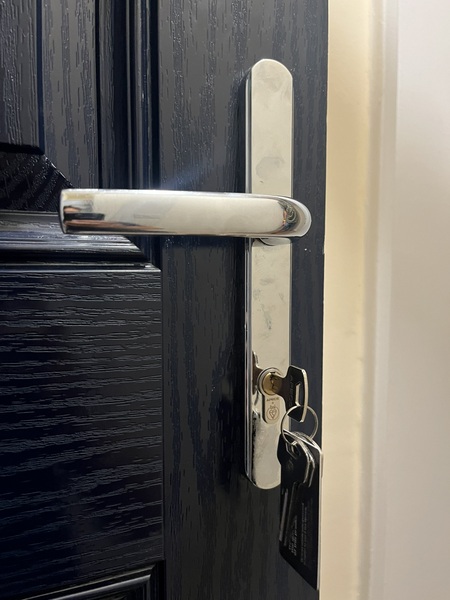
uPVC doors typically use multipoint locking systems with Euro profile cylinders. The cylinder operates hook bolts, deadbolts, and roller cams at multiple points around the door edge. Security depends significantly on cylinder quality.
Cylinder replacement is the primary upgrade path for uPVC doors. Swapping standard cylinders for anti-snap, high-security alternatives transforms security without changing the door or multipoint mechanism. This relatively simple change addresses the most common attack method.
Handle upgrades can improve security alongside cylinder replacement. High-security handles meet TS007, protecting cylinders against certain attack techniques. Combined with appropriate cylinders, upgraded handles maximise multipoint lock security.
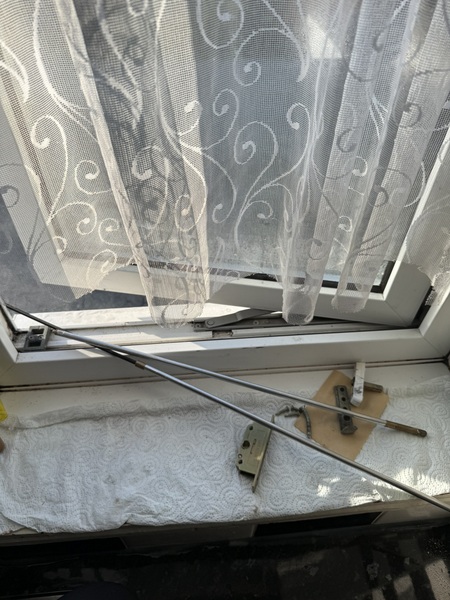
Multipoint mechanism replacement addresses worn or failed locking systems. Mechanisms that don’t engage all points properly, or where individual bolts have failed, need mechanism replacement rather than just cylinder upgrades.
Composite doors combine different materials for improved security, insulation, and durability. Most use multipoint locking similar to that of uPVC doors, with euro-profile cylinders as the key security component.
The same cylinder and handle upgrades that improve uPVC door security apply to composite doors. Anti-snap cylinders and TS007-rated handles provide a significant security improvement on composite doors with multipoint systems.
Some composite doors feature proprietary locking systems. These may require manufacturer-specific components for upgrades or repairs. We can advise on options for doors with non-standard systems.
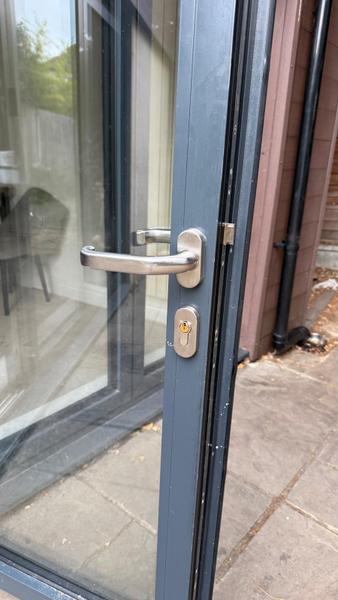
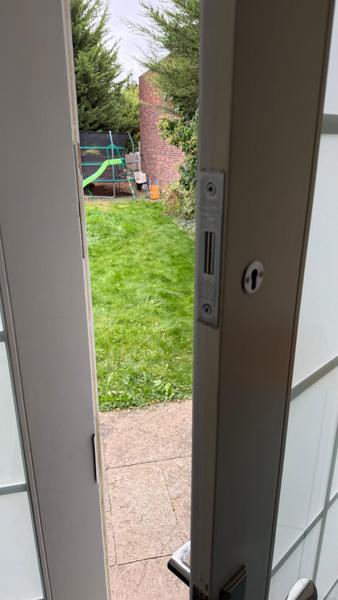
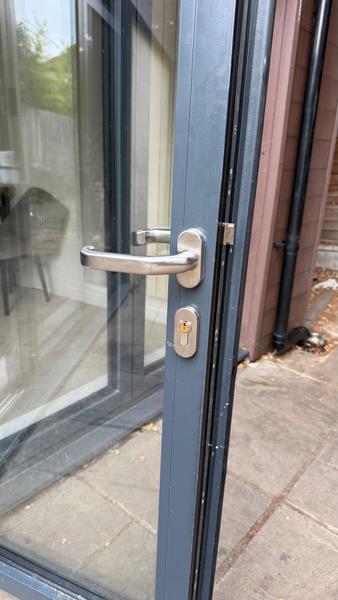
Double doors present particular security challenges. French doors need locks that secure both leaves while allowing convenient operation. Patio doors need locks appropriate to sliding or folding mechanisms.
French door security often combines multipoint locks on the opening leaf with shoot bolts on the passive leaf. Ensuring the passive leaf locks securely at the top and bottom prevents it from being forced even when the opening leaf is properly locked.
Patio door locks vary by door type. Traditional sliding doors use different locks than modern bifold systems. We assess your specific doors and recommend appropriate security hardware.
Professional lock fitting involves more than just attaching hardware. Proper installation ensures locks function correctly, provide intended security, and last their expected lifespan.
Assessment identifies your requirements and constraints. We discuss your security concerns, insurance requirements, budget, and preferences. Examining existing doors and locks reveals what upgrades are possible and advisable.
Recommendation matches locks to your situation. We suggest appropriate locks for each door, explaining options at different price points and security levels. You make informed decisions based on clear information, not pressure selling.
Preparation ensures doors are ready for lock installation. This may involve adjusting door fit, preparing surfaces, or marking precise positions. Proper preparation prevents problems during and after installation.
Installation follows manufacturer specifications. Mortice pockets are cut cleanly to correct depths. Cylinders are sized precisely. Strike plates align accurately. Fixings are appropriate for door materials. Careful installation ensures locks work properly and provide their designed security.
Testing confirms everything functions correctly. Locks should operate smoothly without forcing. Keys should turn without resistance. Bolts should engage and release cleanly. Doors should close and latch properly. We test thoroughly before considering any job complete.
Handover provides you with keys, any documentation, and operating instructions. We explain lock features, demonstrate operation, and answer questions. You’re left confident in using and maintaining your new locks.
Our lock fitting service focuses on planned installation and upgrades rather than emergency situations. Understanding our scope helps you contact the right service for your needs.
Emergency lockout assistance falls outside our service. If you’re locked out and need immediate access, you need an emergency locksmith available 24/7. We handle scheduled lock work, not urgent access situations.
Safe opening and repair needs specialist locksmith skills. Safes involve different mechanisms and security considerations than household door locks. Safe work requires dedicated safety engineers.
Vehicle locks require automotive locksmith expertise. Car, van, and motorcycle locks differ significantly from household locks. Automotive locksmiths have the specialist knowledge and equipment to perform vehicle access and lockwork.
High security installations for commercial premises need specialist security consultants. Commercial buildings have different requirements, regulations, and risk profiles than domestic properties. Business security deserves dedicated commercial expertise.
Master key systems and access control need specialist planning. While we fit individual locks, designing systems where multiple locks respond to master keys requires specialist locksmith involvement from the planning stage.
We provide lock fitting and upgrade services throughout Enfield, Barnet, Haringey and surrounding North London areas. Local presence means understanding the security concerns and property types typical across different neighbourhoods.
Victorian and Edwardian properties often have original wooden doors with traditional mortice locks. These doors are suitable for high-quality modern mortice locks, providing excellent security while respecting the property’s character. Period properties may also benefit from additional window security, given the original sash window designs.
Interwar semis and terraces commonly mix original wooden doors with various lock ages and qualities. Front doors may have decent locks, while side and rear doors have weaker security. Comprehensive assessment identifies vulnerabilities worth addressing.
Modern properties typically have uPVC or composite doors with multipoint systems. Cylinder quality varies enormously on these doors. Many have standard cylinders that offer minimal snap-attack resistance. Cylinder upgrades offer a significant security improvement.
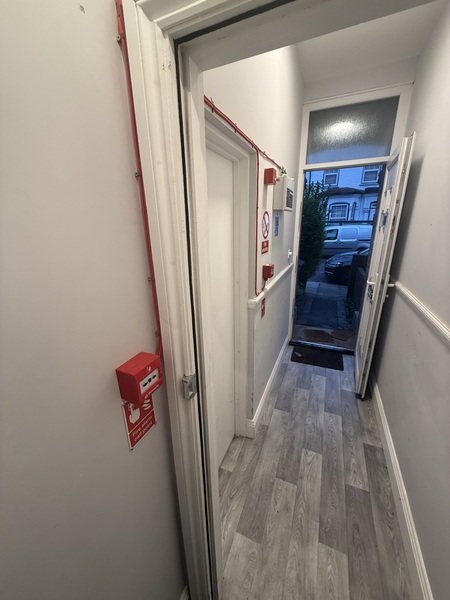
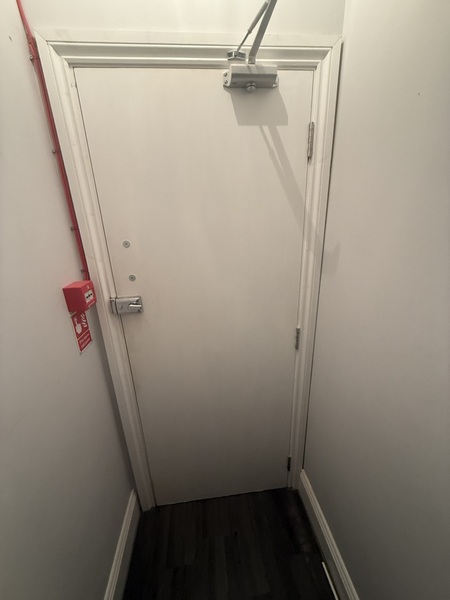
Flats and maisonettes have particular considerations, including shared access doors and lease restrictions. Flat entrance doors need appropriate locks, while communal entry systems fall outside our scope. We advise on what’s appropriate for your specific situation.
We cover Southgate, Finchley, Edmonton, Tottenham, Palmers Green, Cockfosters, Wood Green, Muswell Hill, East Barnet, New Barnet and neighbouring areas across North London.
Properly installed locks benefit from simple maintenance to ensure long service life and continued security.
Regular lubrication keeps mechanisms operating smoothly. Graphite lubricant suits most lock types. Avoid oil-based lubricants, which can attract dust and gum up mechanisms over time. Annual lubrication maintains smooth operation.
Key care prevents lock damage. Bent or worn keys can damage lock internals. Replace keys showing signs of wear before they cause problems. Never force stiff locks with excessive key pressure.
Door adjustment affects lock function. Doors that have dropped or swelled may stress locks as they close. If locks become harder to operate, door adjustment may resolve the issue before lock damage occurs.
For emergency lockouts, we aim to reach you within 30 to 60 minutes depending on your location and current demand. Our 24/7 service covers all of North London including Barnet, Enfield, and Haringey. Call us and we’ll give you an honest estimate of arrival time.
Local locksmith costs in North London typically range from £60 to £150 for most standard jobs. A straightforward lock change on a uPVC door usually costs between £60 and £100, while fitting a BS3621 mortice deadlock to a wooden door ranges from £120 to £180 including the lock. Emergency callouts, particularly outside normal working hours, may cost more due to the urgent response required. We always provide a clear quote before starting work so you know exactly what to expect.
Most standard domestic locks can be opened non destructively by an experienced locksmith. However, some high security locks and certain situations require destructive entry. We’ll always discuss options with you first and explain if damage is likely before proceeding.
We strongly recommend it. Lost keys could be found by anyone, and you have no way of knowing if copies were made before they went missing. Changing locks after key loss protects your home and gives you peace of mind.
Most home insurance policies require a BS3621 mortice deadlock on external wooden doors and appropriate window locks. For doors with euro cylinders, TS007 three star rated products are typically required. Check your policy documents and contact us if you need help understanding the requirements.
Yes, we repair and replace locks on uPVC and composite doors including multipoint locking systems. These doors commonly use euro cylinder locks which we can upgrade or replace. We also adjust door mechanisms and replace handles and gearboxes when needed.
Changing a door lock in the UK generally costs between £60 and £180 depending on the lock type. A euro cylinder replacement on a uPVC or composite door typically costs £60 to £100. A five lever mortice deadlock meeting BS3621 insurance requirements costs £120 to £180 fitted. Multipoint locking system repairs or replacements can range from £150 to £300 depending on the mechanism. These prices include both the lock and professional installation.
The UK does not currently require locksmiths to hold a licence to operate. This means anyone can legally call themselves a locksmith regardless of training or experience. Reputable locksmiths often hold voluntary certifications from bodies like the Master Locksmiths Association (MLA) or are vetted by schemes like Checkatrade or Which? Trusted Traders. When choosing a locksmith, look for genuine reviews, clear pricing, and willingness to provide identification when they arrive at your property.
We strongly recommend changing locks when you move into a new property. Previous owners may have given keys to neighbours, cleaners, tradespeople, or family members over the years. Estate agents often hold keys during the sales process. You simply cannot know how many copies exist or where they all are. Changing the locks immediately after completion gives you certainty that only you control access to your new home.
Traditional locksmiths specialise exclusively in locks and often handle complex work like safe opening, commercial security systems, and auto locksmithing. A multi skilled handyman offering locksmith services typically focuses on domestic lock installation, replacement, and emergency entry. For most home lock needs, including emergency lockouts, lock changes, and security upgrades, a competent handyman provides the same quality of work, often with greater flexibility for combining lock work with other property maintenance tasks.

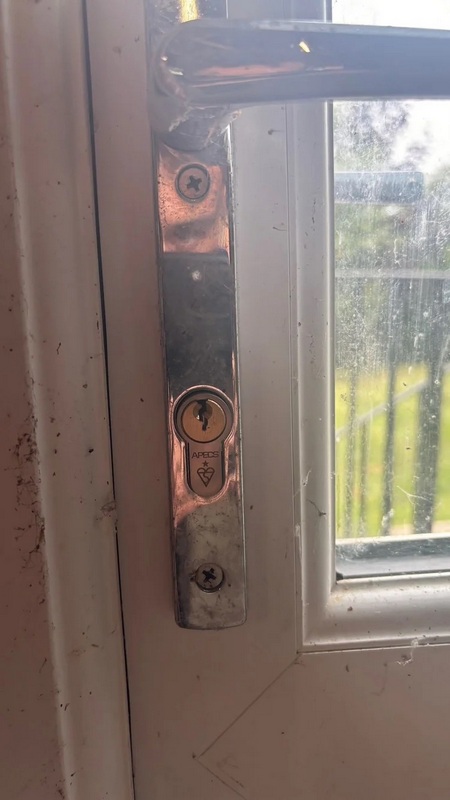
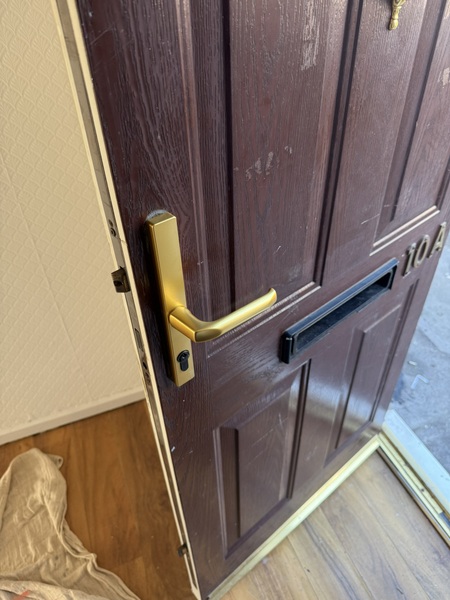
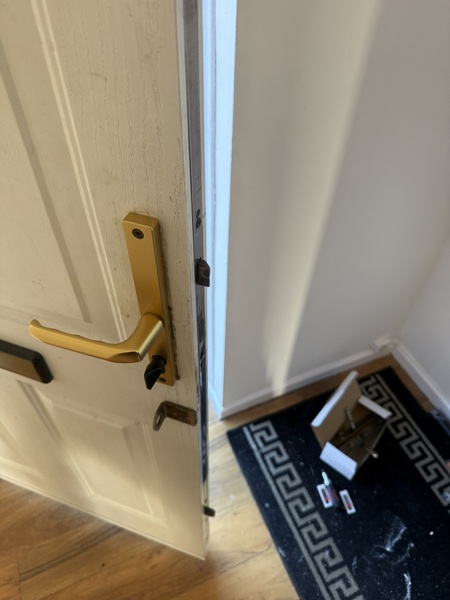
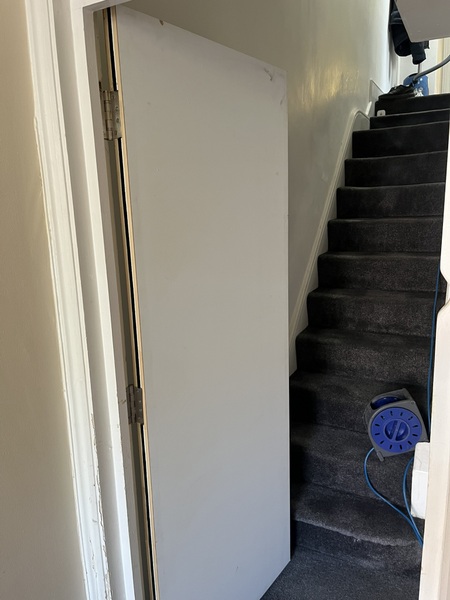
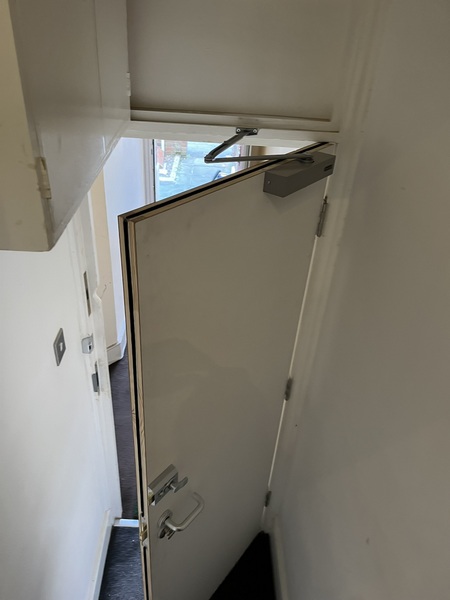
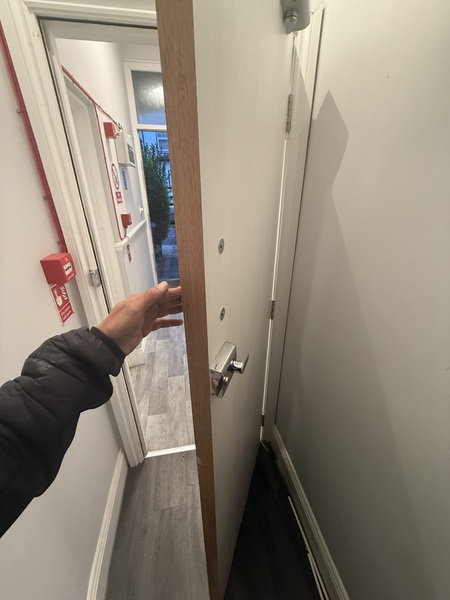
New door and lock installment
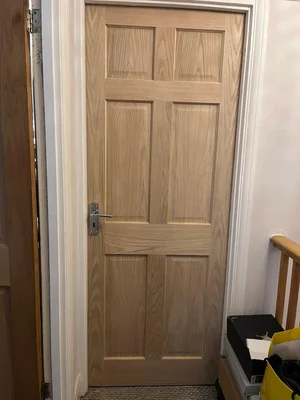
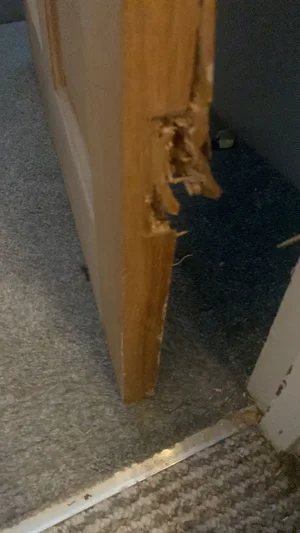


Serving Enfield, Barnet, Haringey, and surrounding areas, we understand the particular characteristics of local properties. Victorian terraces in Palmers Green have different lock requirements than modern apartments in Cockfosters. Edwardian semis in Finchley often feature original doors worthy of preservation alongside security upgrades.
Local availability matters for emergencies. When you’re locked out at night, you need someone who can reach you quickly, not a call centre dispatching technicians from across London. Being based locally means faster response times and familiarity with the area’s housing stock.
We also understand local parking challenges. Many North London streets have residents’ parking or narrow access. We plan accordingly so our arrival doesn’t create additional stress when you’re already dealing with a lock problem.