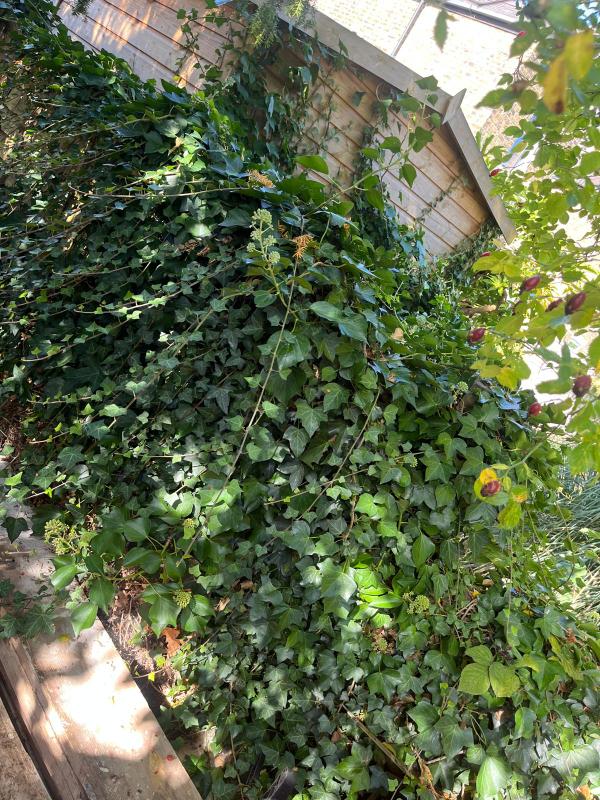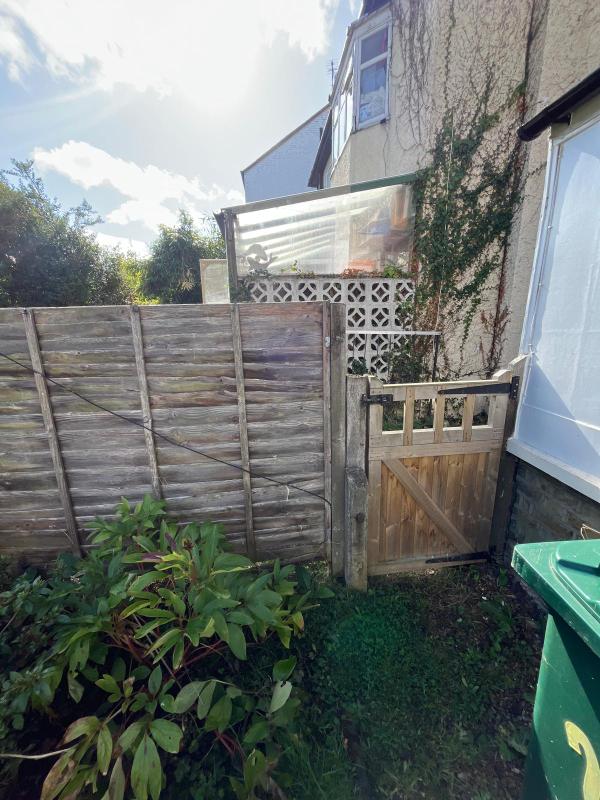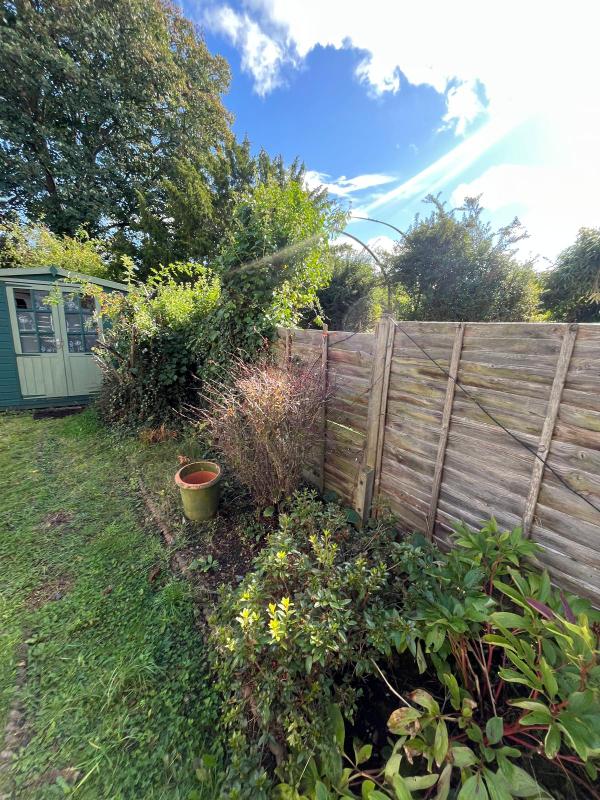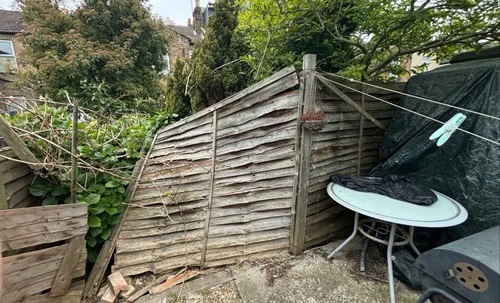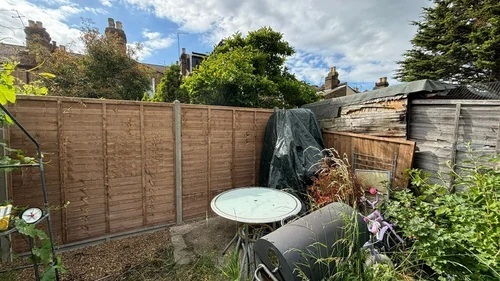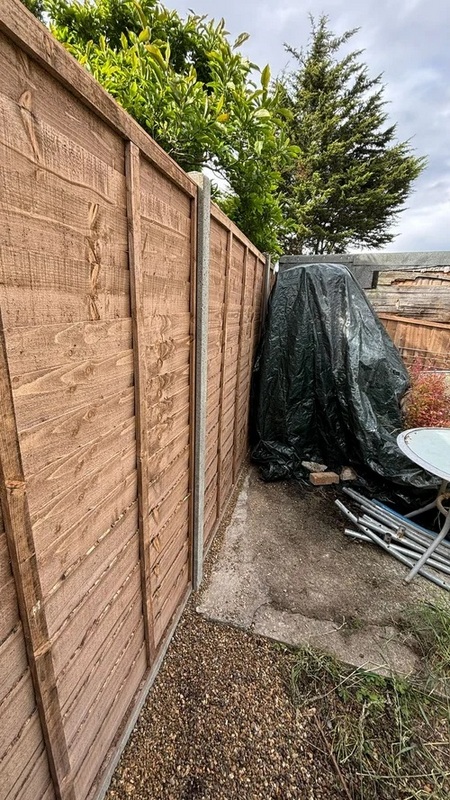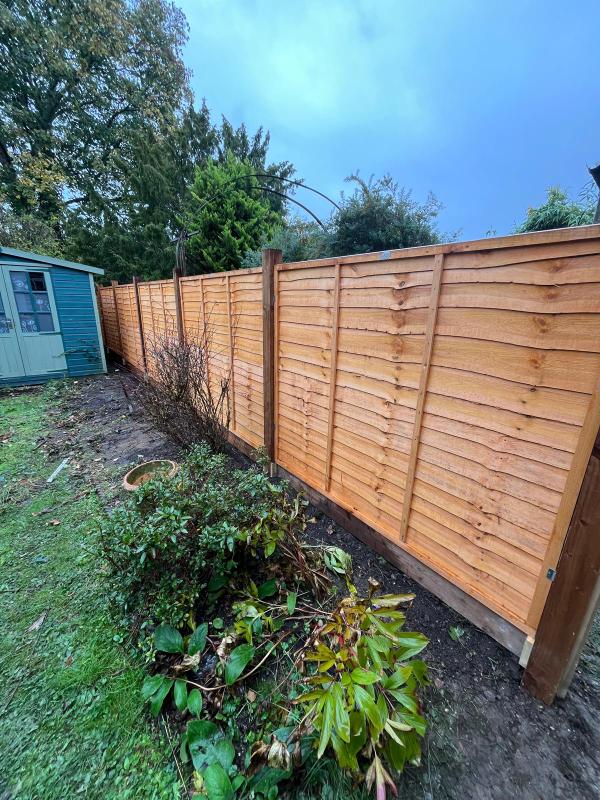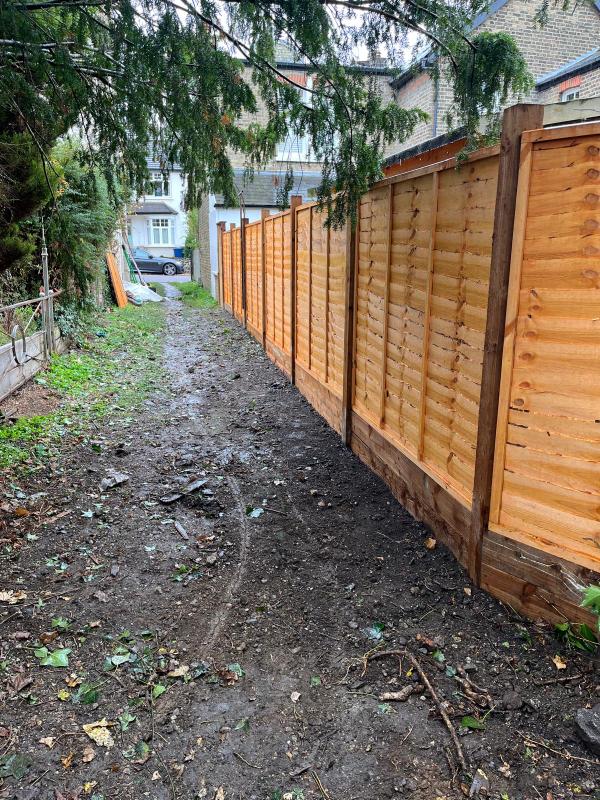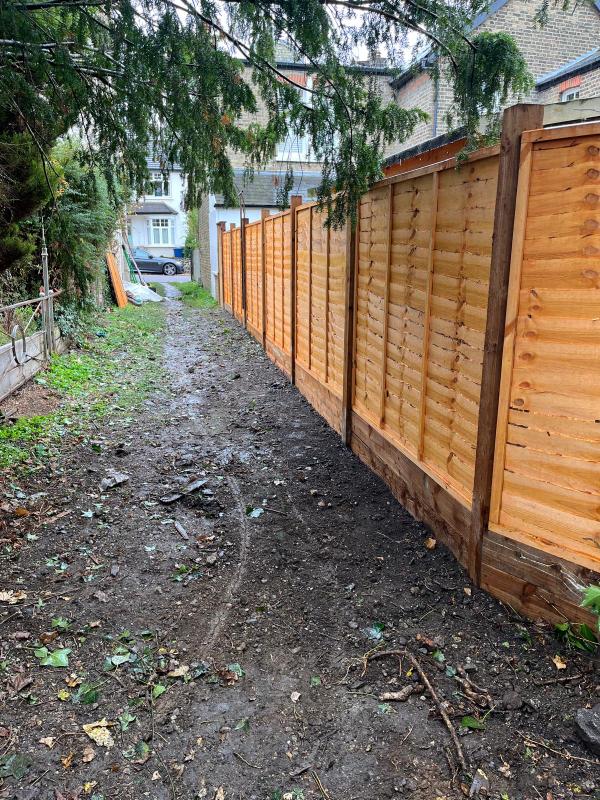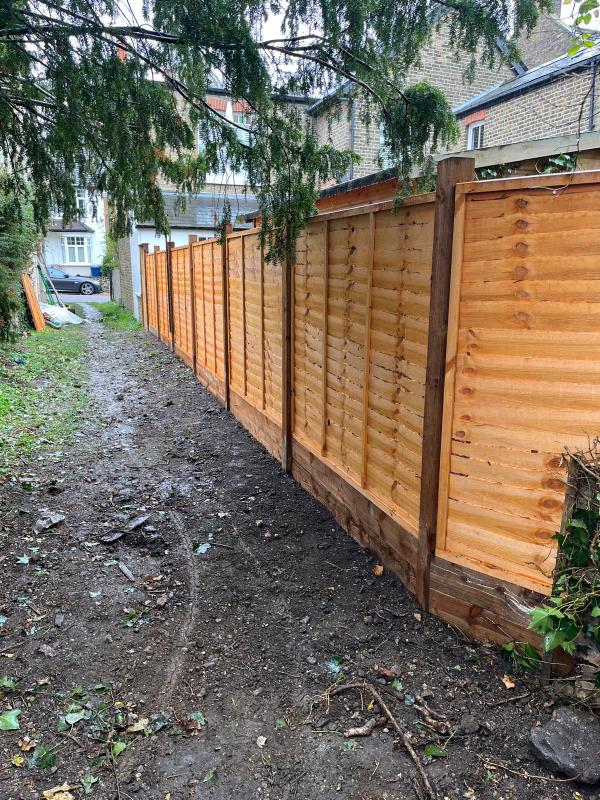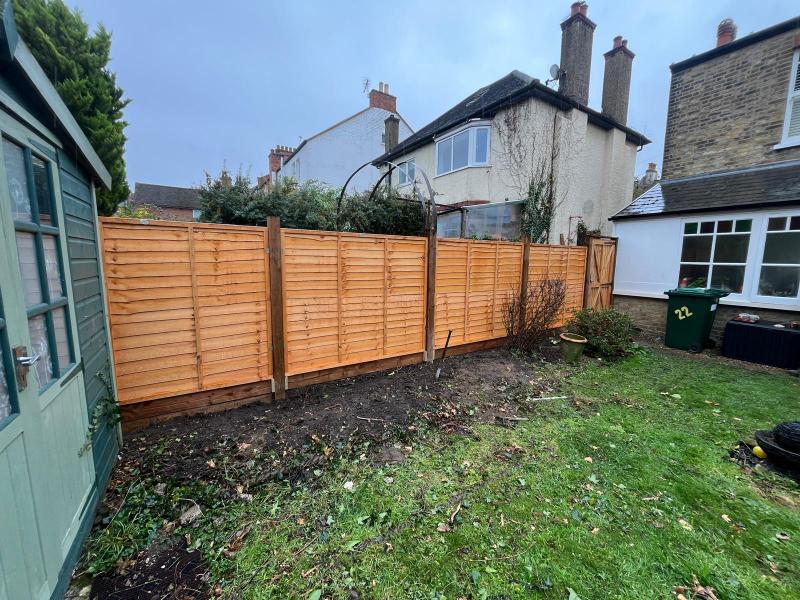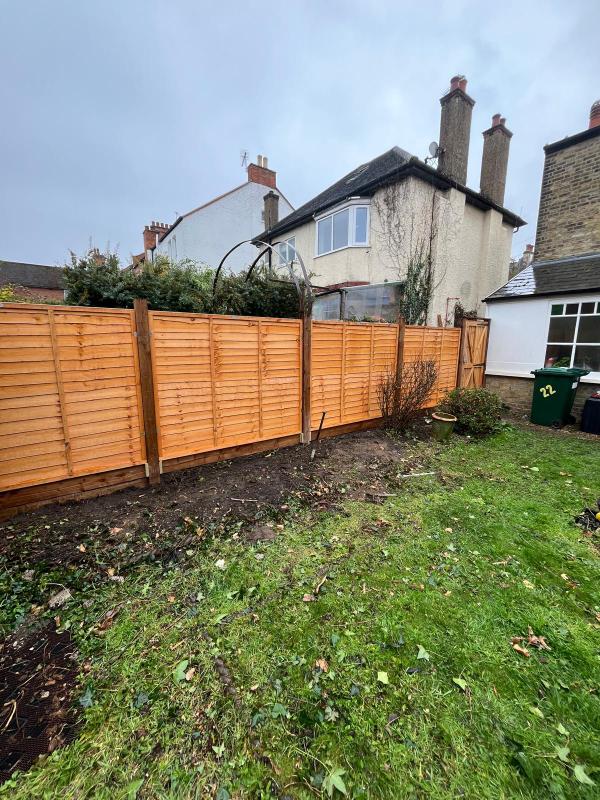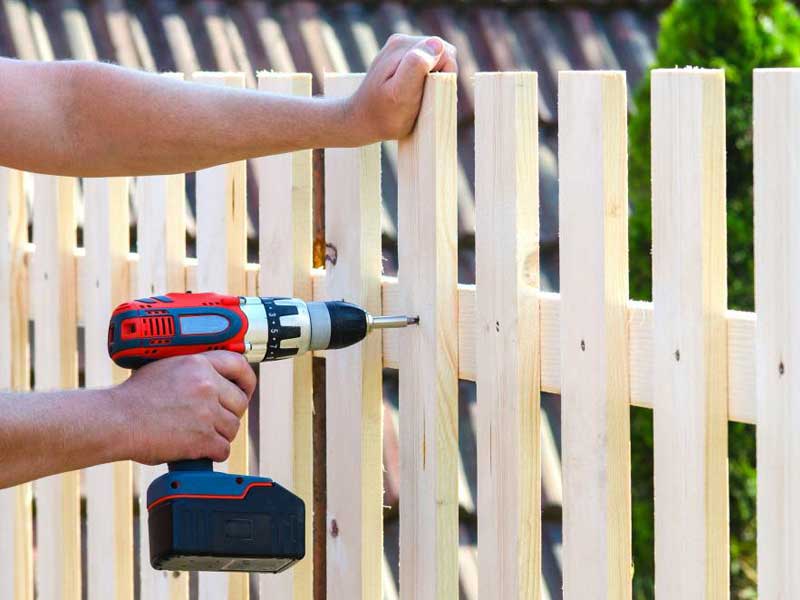
A broken fence panel flapping in the wind. A post that’s rotted at the base and leaning dangerously. Storm damage has left gaps in your boundary, exposing your garden to neighbours and passersby. Fence problems need prompt attention before they worsen and compromise security and privacy. A Handy Hand offers prompt fence repairs across North London, restoring security and appearance for homeowners and landlords. We provide a local alternative to larger fencing contractors, tackling common issues like panel and post replacement, storm damage, and boundary repairs efficiently, without long wait times or minimum charge requirements.
Call us on 020 8103 5151 or 07304 167276 for a free quote.
We handle the fence repairs and smaller fencing jobs that keep your garden secure and looking its best. Panel replacements, post repairs, gate adjustments, and storm damage work form the core of our fencing service. These are the jobs that regularly crop up for homeowners and need to be addressed promptly.
Our service covers timber fence repairs, including closeboard, lap panel, hit and miss, and picket fencing. We replace individual panels, fit new gravel boards, secure loose rails, and address the wear and damage that affects garden fencing over time. We straighten leaning posts, fit concrete repair spurs, or replace posts completely if rotted. Solid, vertical posts prevent ongoing panel problems. We repair and install garden gates, fit trellis, and apply treatments to prolong fence life. Landlords can request responsive repairs to maintain boundary security.
Fence panels take a battering from British weather. High winds split timber, wet and dry cycles cause warping, and impacts can break boards. Replacing damaged panels quickly maintains your boundary and prevents further issues.
We source replacement panels to match your existing fencing where possible. Standard lap panels and closeboard panels are readily available in common heights and widths. Less common styles or non-standard sizes may need to be sourced from specialist suppliers, which we arrange as part of the job.
For closeboard fencing, individual boards can often be replaced without removing entire panels. This targeted approach costs less and maintains the weathered appearance of the surrounding timber. Where rails have failed, we fit new arris rails to restore structural integrity.
Panel fitting includes securing panels properly to posts with appropriate fixings. Loose panels that rattle in the wind or blow out repeatedly usually indicate inadequate fixing rather than panel failure. We ensure panels are held securely with screws or panel clips suited to the post type.
Posts fail more often than panels because the section buried in the ground suffers constant moisture exposure. Timber rots from the base upward, eventually leaving posts wobbling or snapping off at ground level. Catching post problems early allows repair rather than complete replacement.
Concrete repair spurs provide an effective solution for posts rotted at the base but sound above ground. We cut away the rotted section, bolted a concrete spur to the remaining timber, and set the spur in fresh concrete. This approach saves the cost of full post replacement while providing years of additional service.
Where posts have failed completely, or rot extends too far up the timber, full replacement is needed. We dig out old post bases, set new posts in concrete, and allow the concrete to cure properly before refitting the panels. Using quality pressure-treated posts and setting them at the correct depth prevents premature failure. Leaning posts that aren’t rotted can sometimes be straightened. We check if the concrete base has failed or the post is loose, then fix it. Adding postcrete often provides a quick solution.
Storms regularly damage fencing in North London. High winds bring down panels and snap posts, leaving gardens exposed. After bad weather, prompt contact helps secure an earlier appointment.
We assess storm damage to determine what’s repairable and what needs replacing. Sometimes panels that appear destroyed have simply blown out of position and can be refitted once posts are secured. Other times, the force of the wind has split timber beyond practical repair.
Emergency temporary repairs can secure a boundary quickly while permanent repairs are arranged. Propping panels, securing loose sections, and making the fence safe over time if replacement materials need to be ordered or if weather conditions prevent immediate, permanent work.
Insurance claims for storm damage often require quotes and photographs. We provide clear written quotes and can document damage before repairs if needed for your claim. Check your home insurance policy for fence coverage, as it varies by provider.
Garden gates have extra issues beyond basic fence wear. Hinges sag, latches misalign, and timber swells, making gates hard to use.
Hinge adjustments and replacements resolve most gate problems. Heavier gates benefit from three hinges rather than two, spreading the load and reducing sag. Upgrading to stronger hinges when replacing often prevents the same problem from recurring. Gate posts take more stress than other fence posts. We fit them with bigger dimensions and deeper concrete to handle this. Replacing failed gate posts with properly specified ones prevents issues.
Latch and lock fitting ensures gates secure properly. Simple ring latches suit internal garden gates, while more substantial locks provide security for side access gates. We fit appropriate hardware and adjust alignment so gates latch smoothly without forcing.
We also fit new gates to existing openings and can create new gated access through fence runs. Measuring accurately ensures gates fit the opening with appropriate clearances for smooth operation.
Trellis panels add height to boundaries for increased privacy, support climbing plants, and provide decorative screening. We fit trellis to the top of existing fences, mount freestanding trellis panels, and install trellis screens in gardens.
Adding a trellis above fence panels raises the overall boundary height. This is popular where six-foot fences don’t provide quite enough privacy or where climbers need support above fence level. We secure the trellis firmly to posts using appropriate fixings and add post extensions where needed.
Freestanding trellis works well against walls, as garden dividers, or to screen specific areas. We fix trellis to walls using proper masonry fixings or mount panels between posts for garden screens. Plant support is the primary function in many trellis installations, so secure fixing that can handle the weight of mature climbers is essential.
Expanding trellis provides a budget option for covering walls or creating temporary screens. This lighter material needs support at regular intervals to prevent sagging under plant weight or wind load.
Treating fences with preservative extends their lifespan considerably. Untreated timber weathers quickly, turning grey and becoming vulnerable to rot and insect damage. Regular treatment maintains appearance and protection.
We apply fence treatments including preservers, stains, and coloured treatments. Clear preservers maintain natural timber appearance while providing weather protection. Coloured treatments offer more choice, from traditional browns and greens to contemporary greys and charcoals.
Preparation before treatment improves results. Cleaning off algae, moss, and accumulated dirt allows treatment to penetrate properly. Heavily weathered fencing benefits from wire brushing to remove loose fibres before a fresh treatment is applied.
Spraying covers large fence areas efficiently, while brush application works better for detailed areas and touching in around plants. We protect plants, paving, and adjacent surfaces from overspray and drips.
Being clear about our scope helps you find the right tradesperson for your project. We focus on repairs and smaller fencing jobs rather than major installations, and certain work needs specialist contractors.
Long runs of new fencing, complete garden perimeter installations, and large-scale commercial fencing fall outside our service. For these larger projects, please contact a dedicated fencing contractor with post-hole equipment and larger teams. Ensure retaining fences on slopes are properly engineered to hold back earth. Before proceeding with fencing on disputed or complex boundaries, obtain a professional survey and legal advice.
Concrete posts and gravel board systems have specific installation requirements and are better handled by fencing specialists who install these regularly. We work with timber posts and panels rather than concrete systems.
We’re always honest about whether a job suits our service. If your project needs a specialist fencing contractor, we’ll say so and can often suggest where to find appropriate help.
We provide fence repairs throughout Enfield, Barnet, Haringey and surrounding North London areas. Working on fences across the region gives us familiarity with common issues and local conditions affecting garden boundaries.
North London gardens vary from compact Victorian terraces with limited access to generous interwar plots with long boundaries. Access matters for fence work, as getting materials to the fence line affects practicality and pricing. We assess access during quoting to avoid surprises on the day.
Local soil conditions affect fence post stability. Clay soils common across parts of North London expand and contract seasonally, which can loosen posts over time. Setting posts at appropriate depth with sufficient concrete helps counteract ground movement.
Exposure varies significantly between sheltered inner gardens and more exposed locations. Properties backing onto open spaces, railways, or facing prevailing winds experience more fence wear. Heavier-duty panels and stronger posts suit exposed locations where standard fencing fails repeatedly.
We cover Southgate, Finchley, Edmonton, Tottenham, Palmers Green, Cockfosters and neighbouring areas. As a local service, we respond promptly to fence repairs, with storm damage and security issues prioritised where possible.
Boundary fences often sit on or near property lines, which means repairs can affect your relationship with neighbours. Understanding ownership and responsibilities prevents disputes and ensures work proceeds smoothly.
Fence ownership is typically indicated by which side the posts are on, though this isn’t a legal rule. Title deeds sometimes specify boundary responsibilities, though many don’t. If unsure about ownership, checking deeds or discussing with neighbours before undertaking repairs helps avoid potential disagreements.
Even when a fence clearly belongs to you, letting neighbours know about planned work is courteous. They may need to move plants, garden furniture, or access their side for maintenance. A quick conversation prevents surprises and maintains good relations.
Shared cost arrangements for boundary fences are common between neighbours. If you’re contributing to a neighbour’s fence or splitting costs, agreeing on materials, height, and style beforehand prevents misunderstandings. We can provide quotes to share for these discussions.