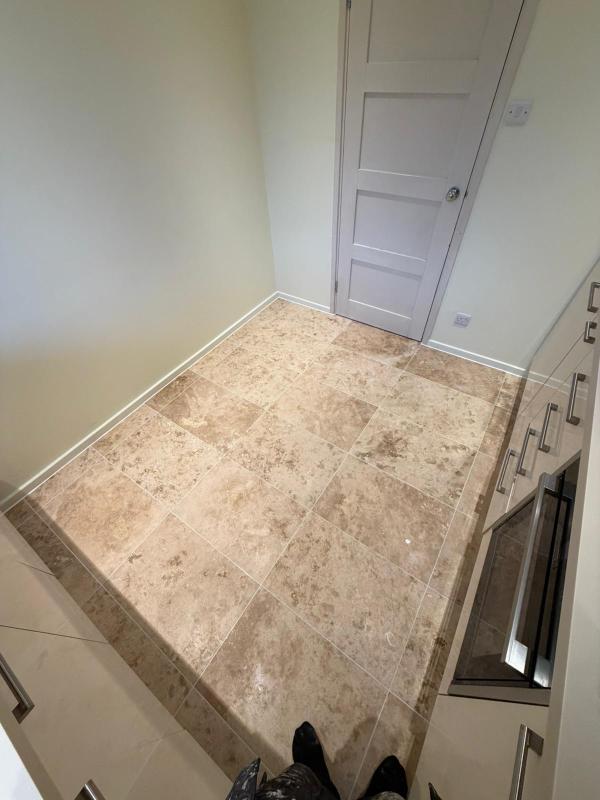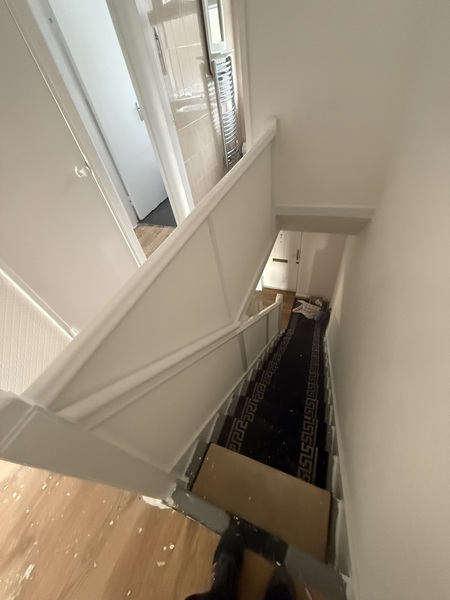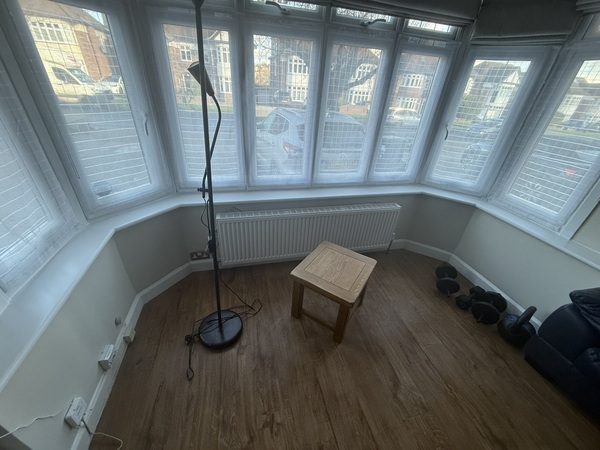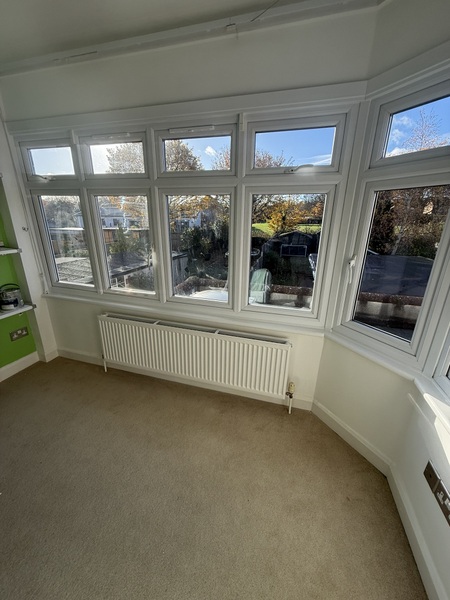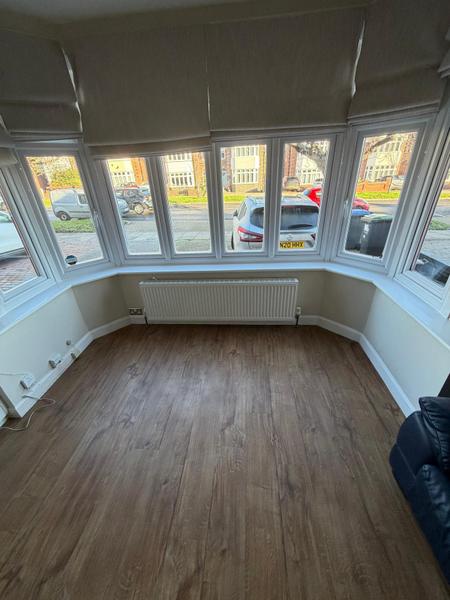
New flooring transforms a room. Whether updating a kitchen floor, fitting durable vinyl in a hallway, or replacing damaged laminate in a rental, quality installation noticeably improves how your home looks and functions. Floors matter because you walk on them daily.
A Handy Hand provides flooring installation and repairs across Enfield, Barnet, Haringey and throughout North London. We fit laminate, vinyl, luxury vinyl tile and engineered wood flooring in individual rooms and smaller areas. For homeowners wanting new floors without the wait times and whole-house minimums of larger flooring companies, we offer a practical, reliable local service.
Call us on 020 8103 5151 or 07304 167276 for a free quote.
We install flooring for individual rooms, hallways, and small projects that don’t need a specialist contractor. Our service suits homeowners renovating a few rooms, landlords preparing rentals, and anyone seeking professional flooring work. We install laminate flooring, vinyl sheet and tiles, luxury vinyl tile and plank, and engineered wood. While these seem suitable for DIY, achieving neat edges around doorways and pipes requires experience and proper tools. We provide a professional finish that transforms a room.
Flooring repairs address damage to existing floors, including scratched laminate, lifting edges, damaged sections, and worn areas. Targeted repairs often restore floors to good condition without complete replacement, saving both cost and disruption. We fit skirting boards, door bars, and threshold strips that properly complete flooring installations. These finishing touches set professional results apart from amateur results.
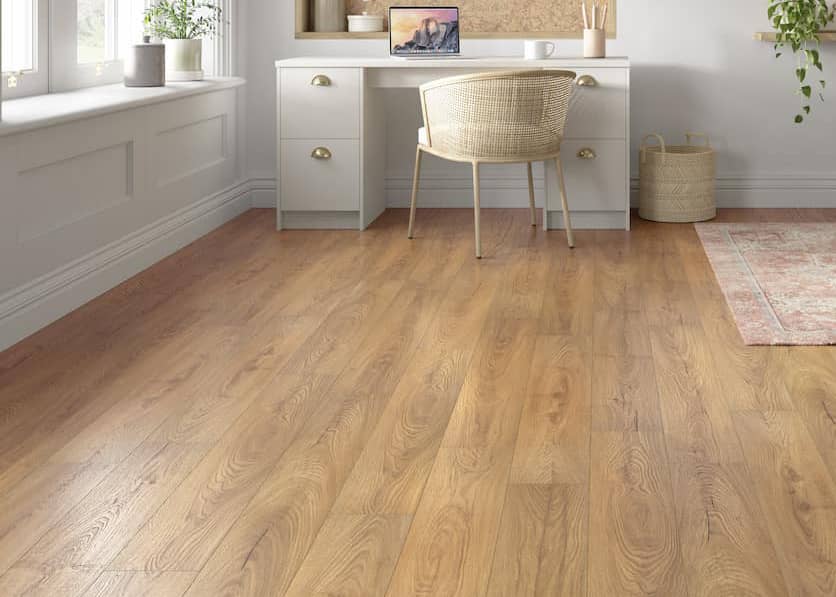
Laminate remains one of the most popular flooring choices for its combination of appearance, durability, and value. Modern laminate convincingly replicates wood, stone, and tile finishes while providing a hardwearing surface that stands up to family life.
We fit all grades of laminate from budget ranges to premium products with enhanced durability ratings and more realistic textures. Better-quality laminate typically features thicker boards, more robust locking mechanisms, and improved water resistance. We advise on appropriate grades for different rooms and usage levels.
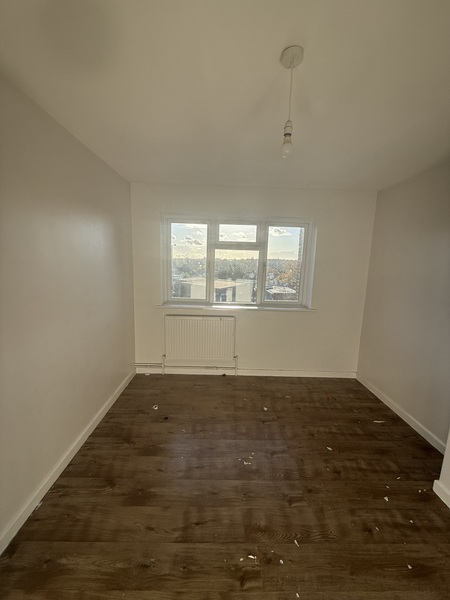
Proper laminate installation starts with subfloor preparation. Uneven floors cause boards to flex, joints to open, and the characteristic hollow sound that indicates poor fitting. We check floors for level and address problems before laying begins. Underlay selection affects both feel underfoot and sound reduction, with options ranging from basic foam to premium acoustic products.
Cutting around doorframes, pipework, and irregular room shapes requires patience and precision. We undercut door frames so laminate slides beneath rather than butting up awkwardly, and template complex cuts for accurate fitting. Expansion gaps around room edges are maintained correctly and covered with appropriate trim.
Laminate suits most rooms except bathrooms and areas with regular water exposure. Even water-resistant laminate can be damaged by standing water. For wet areas, vinyl or tile provides better long-term performance.
Vinyl flooring offers complete water resistance, making it ideal for kitchens, bathrooms, utility rooms, and any area where spills and splashes are likely. Modern vinyl products have moved far beyond the thin, cheap sheets of previous decades, with premium options rivalling other flooring types for appearance and durability.
Sheet vinyl provides seamless coverage with minimal joints for water to penetrate. We template rooms accurately, cut sheets to size, and fit either loose lay or fully adhered, depending on the product and situation. Seam welding joins sheets in larger areas where single-piece coverage isn’t possible.
Vinyl tiles offer easier handling than large sheets and allow pattern creation with different colours and designs. Self-adhesive tiles are suitable for simpler installations, while dry-back tiles, which require separate adhesive, provide stronger bonds for high-traffic areas.
Click together vinyl planks combine the water resistance of vinyl with the easy installation of laminate systems. These products handle most DIY situations well, but still benefit from professional fitting for neat results around obstacles and in complex room shapes.
Luxury vinyl tile, commonly called LVT, represents the premium end of vinyl flooring. Thicker construction, realistic textures, and superior durability justify higher prices for customers who want vinyl’s practical benefits with an enhanced appearance.
LVT planks realistically replicate wood flooring, with embossed grain textures that match printed patterns. Quality products are difficult to distinguish from real wood at a glance, while offering complete water resistance and easier maintenance.
LVT tiles replicate stone and ceramic finishes, providing the look of natural materials without the cold feel, hardness, and weight. Grouted LVT takes realism further, with grout lines between tiles creating an authentic tiled appearance.
Installation methods vary between products. Click lock LVT fits similarly to laminate, floating over an underlay. Glue down LVT bonds directly to prepared subfloors for a more solid feel. Some products offer both options, with glue-down providing better performance in high-traffic commercial settings.
We fit LVT from leading manufacturers, including Karndean, Amtico, and various trade brands. Premium products often require an approved installer fitting for warranty validity, so we advise on the requirements for your chosen flooring.
Engineered wood provides a real timber appearance with better stability than solid wood. A genuine hardwood top layer bonded to plywood or softwood base creates a product that looks and feels like traditional wood flooring while handling temperature and humidity changes better.
We fit engineered wood using floating, glued, or secret nailed methods depending on the product specification and subfloor type. Floating installation over an underlay suits most domestic situations, providing good results with easier future removal if needed. Glueing to concrete or existing hard floors creates a more solid feel.
Engineered boards come prefinished from the factory, meaning no sanding or varnishing after installation. This speeds fitting and allows rooms to be used immediately. The trade-off is that damage cannot be repaired as easily as site-finished solid wood, though quality engineered floors can be lightly sanded and refinished once or twice during their lifespan.
Wood flooring needs acclimatisation before fitting. Boards must be adjusted to your home’s temperature and humidity levels to prevent expansion or contraction after installation. We advise on acclimatisation periods and conditions for successful fitting.
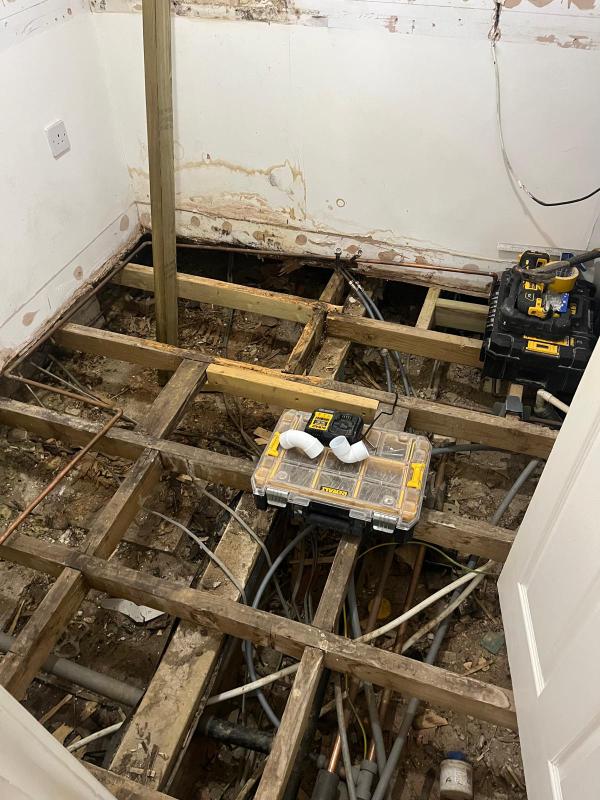
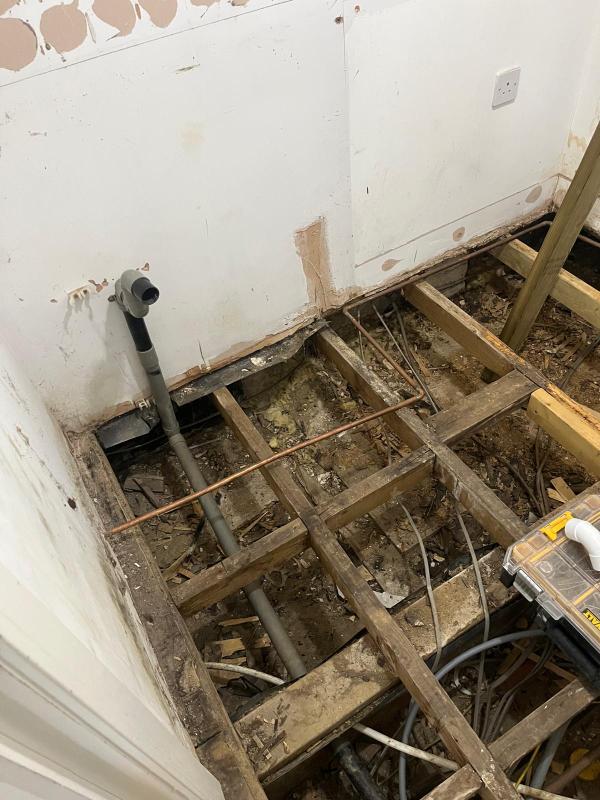
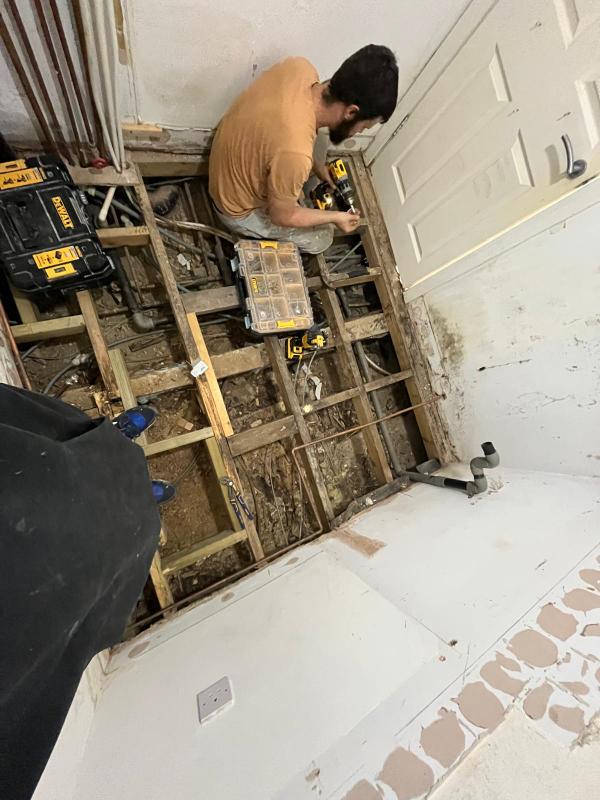
What lies beneath your flooring determines how well it performs and how long it lasts. Subfloor preparation is the unglamorous but essential foundation for any successful flooring installation.
Concrete subfloors need checking for dampness, level, and surface condition. Residual moisture in concrete can damage many flooring types, so testing and the use of appropriate damp-proof membranes matter. Uneven surfaces require levelling compound to create a flat base. Dusty or friable concrete needs priming before adhesive or levelling compound is applied.
Timber subfloors, including floorboards and chipboard panels, need to be secured before overlay flooring goes down. Loose boards are screwed, protruding nail heads punched below the surface, and significant gaps filled. Squeaky floors should be addressed at this stage rather than discovered after new flooring is fitted.
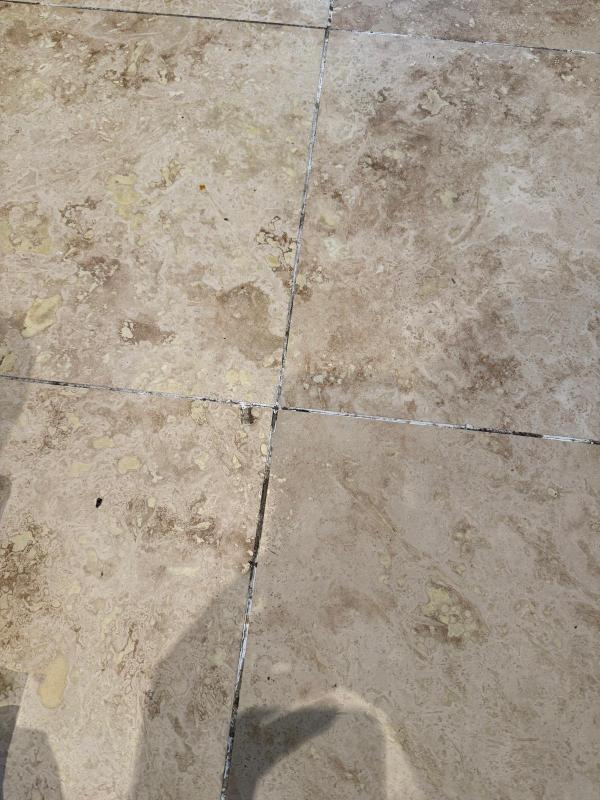
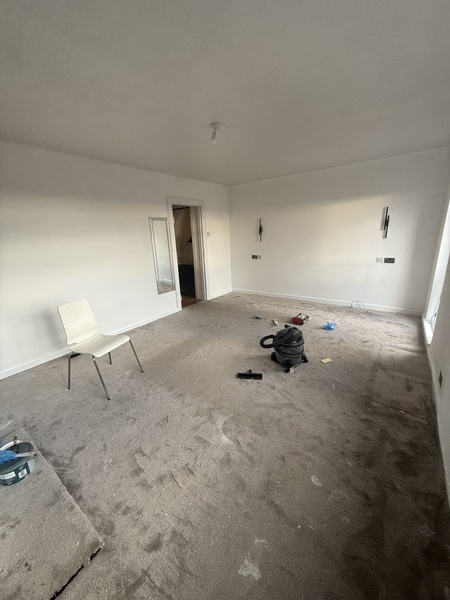
Existing flooring removal is sometimes necessary and sometimes avoidable. Laying over existing vinyl or laminate is possible when the old floor is firmly adhered to and level. Carpet must always be removed. Old tile can sometimes be overlaid if sufficiently flat and well-bonded. We assess each situation and advise on the best approach. Levelling and preparation add time and cost but determine final results. Skipping preparation to save money invariably shows in the finished floor. We’re upfront about preparation needs during quoting, so there are no surprises. Get in touch for a straightforward quote and ensure your flooring project starts right.
Damaged flooring doesn’t always need complete replacement. Targeted repairs can restore floors to good condition at a fraction of replacement cost, particularly for localised damage in otherwise sound flooring.
Laminate repairs include replacing individual damaged boards, resecuring lifted edges, and filling minor chips and scratches. Matching replacement boards for discontinued ranges can be challenging, but we source close matches where exact products are unavailable. In some cases, boards from hidden areas, such as inside cupboards, can be swapped for damaged visible boards.
Vinyl repairs address cuts, tears, burns, and worn areas. Small damage can be patched with matching material, and careful cutting can create near-invisible repairs. Lifted edges and failed seams are re-adhered. For larger damaged areas, section replacement provides a practical solution.
Engineered wood repairs include filling scratches and dents, refinishing worn areas, and replacing damaged boards. Surface damage often responds to specialist repair products that blend with the surrounding finish. More significant damage may need board replacement, which requires careful colour matching with aged surrounding timber.
Squeaky floors beneath existing flooring can sometimes be addressed by screwing through to joists from above, accepting the visible screw heads, or from below, where ceilings permit access. This common problem in older properties often worsens if left unaddressed.
Professional flooring installation includes the details that complete the job properly. Skirting boards, door bars, and threshold strips transform raw flooring edges into neat, finished results.
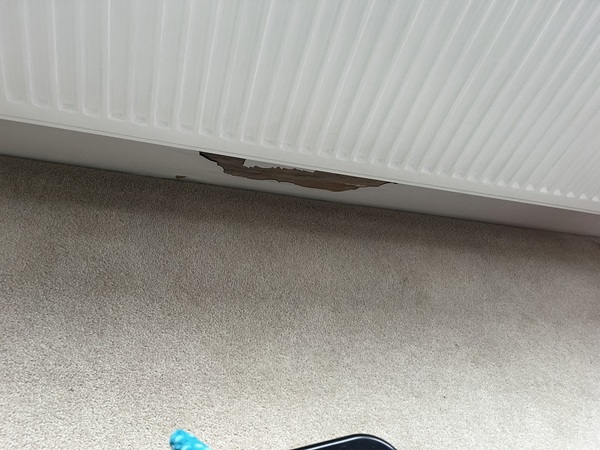
Skirting boards cover expansion gaps and provide a transition between the floor and the wall. We fit new skirting where required, either matching existing profiles elsewhere in your home or fitting your chosen style. Removing and refitting existing skirting during flooring work is possible where boards are in good condition.
Door bars and threshold strips manage transitions between rooms with different flooring types or levels. Flat