
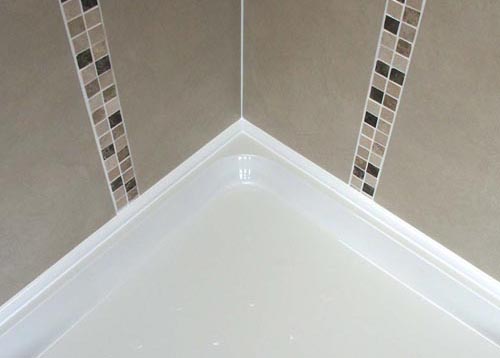
Tired grout and failing silicone are more than cosmetic problems. Cracked grout lets moisture reach behind tiles, damaging substrates and creating mould. Peeling silicone lets water seep into areas it shouldn’t, causing hidden damage that is expensive to repair. Unsightly discolouration quickly becomes seriously damp if left untreated. A Handy Hand offers professional grouting and silicone sealing in Enfield, Barnet, Haringey, and North London. Restore your tired bathroom and kitchen tiling to a fresh, watertight state. Ask us to regrout, repair, or replace silicone. Protect your property with clean, professional results that last.
Call us on 020 8103 5151 for a free quote.
Grout seals gaps between tiles and gives a finished look. Over time, grout absorbs moisture and stains, and cracks can form. This weakens both its appearance and effectiveness. We restore your tiled surfaces to excellent condition with our grouting services. Complete regrouting removes all old grout and replaces it with fresh material. Choose this if your grout has failed, shows mould, or you want a new grout colour. We remove old grout without damaging tiles, clean joints, and apply new grout for a uniform finish. Repair localised grout problems instead of replacing everything. Fix cracked sections, mouldy spots, or damaged grout around fixtures. Match grout colour where possible. Understand that perfect colour matching is not always possible with aged grout.
Grout colour refreshing uses specialist products to restore faded or stained grout without removal. Grout pens and sealers can dramatically improve appearance where the grout itself remains sound. This works well for surface staining but won’t address structural cracks or deep mould penetration. Apply grout sealer to resist moisture and stains. Sealed grout stays cleaner and is easier to maintain. Seal showers, kitchen splashbacks, and places exposed to moisture or cooking splashes.
Silicone sealant creates flexible, watertight seals where tiles meet baths, showers, sinks, worktops, and other surfaces. Unlike rigid grout, silicone accommodates movement between different materials. However, silicone degrades over time, losing adhesion, developing mould, and eventually failing to keep water out. Remove old silicone between the bath and the wall tiles. Apply new silicone for a clean, watertight result. This simple job instantly transforms your bathroom’s appearance. Reseal silicone joints around shower trays, screens, and walls. Stop water escaping by refreshing the failed silicone. Protect floors, ceilings, and surroundings with fresh seals. Seal kitchen worktops where they meet walls and around sinks. Replace silicone regularly to prevent water ingress that damages worktops and cabinets. Use kitchen-grade silicone for heat, moisture, and cleaning resistance. Sanitary ware sealing covers basins, toilets, and bidets where they meet the floor or wall. These joints need flexible sealant to accommodate slight movement and temperature changes while maintaining watertight integrity.
Know why grout and silicone fail to spot replacement needs and extend the life of new applications.
Grout fails primarily through moisture absorption. Standard cement-based grout is porous and absorbs water over time. Repeated wetting and drying cause expansion and contraction that eventually crack the grout. Steam from showers accelerates this process. Once cracked, grout absorbs more water, creating a cycle of accelerating deterioration.
Mould growth in grout results from persistent dampness combined with organic matter like soap residue and skin cells. Surface mould can often be cleaned, but mould that penetrates into grout itself becomes impossible to remove entirely. Deep mould penetration means the grout needs replacement rather than cleaning.
Silicone fails through loss of adhesion and flexibility. Over the years, silicone loses its elasticity and ability to bond with surfaces. It pulls away from tiles or sanitary ware, creating gaps that admit water. Mould growth within silicone accelerates breakdown. Bathroom silicone typically lasts 5 to 10 years, depending on conditions and quality.
Poor original application causes premature failure. Silicone applied over damp surfaces, dirty joints, or old silicone residue won’t bond properly and will fail quickly. Grout applied too thinly or without proper joint preparation cracks and crumbles. Our thorough preparation ensures new materials bond properly and last.
Movement between different materials stresses rigid grout. Where tiles meet baths, shower trays, or other fixtures, slight movement from temperature changes and use puts grout under stress. These joints need flexible silicone rather than rigid grout, but are sometimes incorrectly grouted, leading to inevitable cracking.
Catch problems early to avoid water damage and higher costs. Watch for these warning signs in your bathroom and kitchen.
Discoloured grout that doesn’t respond to cleaning suggests mould penetration beyond the surface. If thorough scrubbing with appropriate cleaners doesn’t restore a reasonable appearance, the grout has likely absorbed contamination that won’t come out.
Cracked or crumbling grout allows water behind tiles. Run your finger along grout lines, feeling for soft, powdery, or missing sections. Any gaps in grout compromise the waterproof barrier and need attention.
Silicone pulling away from surfaces indicates adhesion failure. Look for edges lifting from tiles, baths, or shower trays. Even small gaps allow water through and worsen quickly once started.
Mould growth in silicone that returns quickly after cleaning suggests the mould has penetrated the sealant itself. Surface cleaning removes visible mould but not spores embedded within the silicone. Replacement is the only lasting solution.
Water appearing in unexpected places indicates sealing failure somewhere. Damp patches on ceilings below bathrooms, water staining around bath panels, or persistent musty smells all suggest water is escaping from supposedly waterproof areas.
Yellowed or hardened silicone has lost its flexibility and waterproofing properties, even if still adhered. Old silicone that has changed colour and feels rigid rather than rubbery is due for replacement.
Prepare thoroughly to make grouting and silicone last. Take time to do this right. Never rush by applying new materials over unprepared surfaces.
For silicone replacement, we start by removing all existing sealant completely. This means removing old silicone, scraping off surface residue, and cleaning joints with appropriate solvents. Any residual silicone prevents new silicone from bonding properly. We also treat any mould present to prevent regrowth behind fresh sealant.
For regrouting, we rake out old grout to a sufficient depth for new material to bond and perform. A shallow application over old grout fails quickly. We remove grout carefully using appropriate tools to avoid chipping or cracking tiles. Joints are cleaned and dampened appropriately before new grout application.
New materials are applied according to the manufacturer’s specifications. Silicone needs dry surfaces and appropriate temperature ranges. Grout requires proper mixing, application technique, and cleaning to achieve good results. We use silicone joints for a neat finish and clean excess grout before it hardens.
Curing times vary by product but typically require avoiding water contact for 24 to 48 hours. We advise on specific curing requirements for materials used and when you can safely use bathrooms and kitchens normally.
Not all grouts and silicones are equal. We use quality products appropriate for each application rather than the cheapest available options.
For grouting, we typically use polymer-modified cement grouts that offer better flexibility, water resistance, and durability than basic cement grouts. In wet areas like showers, we often recommend epoxy grouts that are virtually waterproof and highly resistant to mould and staining. Epoxy costs more and requires more skill to apply, but lasts significantly longer in demanding environments.
For silicone, we use sanitary grade sealants with fungicidal additives that resist mould growth. Bathroom silicone differs from general-purpose silicone in its formulation for wet environments. Kitchen silicone needs to be food-safe and resistant to cleaning products. We match sealant type to application.
Colour matching matters for appearance. Grout comes in extensive colour ranges, and we help you choose colours that complement your tiles. White remains most popular, but coloured and grey grouts create different effects. Silicone colour options are more limited but include white, clear, grey, and various popular tile colours.
Our grouting and silicone services focus on maintenance, repair, and renewal rather than major installation or structural work.
Complete bathroom retiling falls outside this service. If tiles themselves are damaged, loose, or being replaced, you need tiling services rather than just regrouting. We can refer you to trusted tilers for larger projects.
Waterproof membrane installation beneath tiles requires specialist tanking systems and often accompanies new tiling rather than maintenance work. If you suspect membrane failure, investigation and repair go beyond surface regrouting.
Structural repairs to damaged substrates need addressing before cosmetic grouting. Rotten timber, crumbling plaster, or water damaged boards behind tiles require remediation before new grout or silicone can provide lasting results.
Swimming pool and wet room tanking involves specialist waterproofing systems beyond standard domestic grouting and sealing.
We provide grouting and silicone replacement throughout Enfield, Barnet, Haringey and surrounding North London areas. Local experience means understanding the property types and common issues in different areas.
Victorian and Edwardian properties often feature original or period replacement tiles that need careful grouting to preserve character. Older bathrooms may have accumulated multiple layers of silicone and grout repairs over decades. We restore these spaces sympathetically while ensuring proper waterproofing.
Interwar and postwar properties frequently have bathrooms updated at various points, resulting in mixed tile ages and conditions. Regrouting can unify the appearance and restore waterproof integrity across areas of different vintage.
Modern properties and new builds typically have contemporary tiling that responds well to standard regrouting and resealing. Large-format tiles mean fewer grout lines, but the ones that remain remain important for waterproofing.
We cover Southgate, Finchley, Edmonton, Tottenham, Palmers Green, Cockfosters and neighbouring areas. Grouting and silicone work are typically scheduled within 1 to 2 weeks of the enquiry.
Proper care extends the life of new grouting and silicone, delaying the next replacement cycle and keeping bathrooms and kitchens looking fresh.
Regular cleaning prevents buildup of soap scum, limescale, and mould that stain and degrade grout. Weekly cleaning of shower grout with appropriate bathroom cleaners removes deposits before they penetrate. Avoid abrasive cleaners that scratch grout surfaces and create texture for dirt to accumulate.
Ventilation reduces moisture that causes mould growth and grout deterioration. Running extractor fans during and after showering removes steam. Opening windows when possible allows bathrooms to dry thoroughly. Persistent dampness accelerates the degradation of all forms of grout and silicone.
Prompt attention to early problems prevents escalation. Small mould spots cleaned immediately stay manageable. Silicone showing early lifting can sometimes be patched. Catching issues early avoids the cost and disruption of complete replacement.
Avoid bleach directly on coloured grout as it can cause fading. White grout tolerates bleach better but still benefits from a rinse after application. Silicone shouldn’t need harsh chemicals if cleaned regularly with standard bathroom products.
We price grouting and silicone work based on the scope of each job. Small bathrooms with straightforward requirements cost less than large spaces with complex layouts or difficult access.
Silicone replacement around a standard bath typically takes one to two hours and falls within our minimum call-out charge. Additional items like shower enclosures, basins, and worktops add proportionally to time and cost.
Regrouting prices depend on the area covered and the grout type specified. Standard cement grout costs less than epoxy grout but may not suit all applications. We advise on appropriate materials and price accordingly.
Combined jobs regrouting and resealing entire bathrooms provide better value than multiple separate visits. If your bathroom needs both services, doing everything together saves on call-out costs.
We quote specific prices before starting work so you know costs upfront. No surprises or additions unless unforeseen problems emerge, which we will discuss with you before proceeding.
For a free, no obligation quote, call 020 8103 5151 or email info@ahandyhand.co.uk
Quality bathroom silicone properly applied typically lasts five to ten years, depending on usage and ventilation. Heavy-use showers with poor ventilation may need resealing more frequently. Light-use bathrooms with good airflow can last for more than 10 years. If your silicone shows mould, discolouration, or lifting before five years, the original application quality may have been poor.
We carry popular grout colours and can source specific shades for most requirements. Perfect matching with aged grout is challenging, since new grout looks different from weathered grout. For partial repairs, we aim to get as close as possible, recognising that exact matching may not be possible. For complete regrouting, consistent new colour throughout eliminates matching concerns.
Standard cement grouts need 24 to 48 hours of curing before water exposure. Epoxy grouts cure faster, but we typically recommend a minimum of 24 hours for all grout types. For silicone, 24 hours of curing before water contact is standard. We provide specific guidance based on the products used and your particular installation.
For shower floors and enclosures that receive daily water exposure, epoxy grout offers significantly better performance and longevity than cement grouts. The extra cost is usually worthwhile in these high-moisture areas. For wall tiles above shower height or kitchen splashbacks, quality cement grout with sealing provides adequate performance at a lower cost. We advise based on your specific situation.
Surface mould often responds to thorough cleaning with appropriate mould removers. However, mould that has penetrated into grout cannot be fully removed and will return after cleaning. If mould returns quickly despite proper cleaning, the grout needs to be replaced rather than repeatedly cleaned. We assess grout condition and advise whether cleaning or replacement makes sense.
We provide grouting and silicone services across Enfield, Barnet, Haringey and throughout North London, including Southgate, Finchley, Edmonton, Tottenham, Palmers Green, Cockfosters and surrounding areas.
Ready to refresh tired bathrooms and kitchens? A Handy Hand provides professional grouting and silicone replacement for homeowners across North London. From bath resealing to complete shower regrouting, we deliver watertight results that look good and last.
Call us today on 020 8103 5151 or 07304 167276
You can also email info@ahandyhand.co.uk or visit our Google Business Profile to see reviews from satisfied customers.