Is your UPVC door not locking properly? Window handles spinning without engaging? Hinges that have dropped or seized? The mechanisms inside UPVC doors and windows work hard over years of daily use, and eventually, components wear out, seize up, or fail entirely. When this happens, security is compromised, and daily use becomes frustrating.
A Handy Hand repairs UPVC door and window mechanisms across Enfield, Barnet, Haringey and throughout North London. From multipoint locking systems and gearboxes to hinges, handles, and friction stays, we diagnose problems accurately and repair or replace faulty components to restore proper operation. Most repairs are completed in a single visit using quality replacement parts that restore years of reliable service.
To arrange UPVC mechanism repairs, call us on 020 8103 5151 or email info@ahandyhand.co.uk.
UPVC doors rely on complex mechanisms to lock securely and operate smoothly. When these mechanisms develop problems, doors become difficult to use or fail to secure properly.
Modern UPVC doors use multipoint locking systems that engage bolts, hooks, or rollers at multiple points around the door frame when you lift the handle and turn the key. These systems provide excellent security when working properly, but have many moving parts that can fail.
Common multipoint lock problems include locks that won’t engage fully, leaving some locking points unsecured. Sometimes the handles lift, but the keys won’t turn; or the keys turn, but nothing engages. Locks may engage intermittently, working sometimes but not others. In worst cases, doors lock but won’t unlock, or unlock but won’t lock.
Multipoint lock failures often stem from worn gearboxes, broken internal springs, or misaligned keeps. Forcing locks that aren’t engaging properly accelerates wear and can cause complete failure. Early attention to locking problems prevents more expensive repairs later.
The gearbox is the central mechanism behind your door handle that converts handle movement into lock engagement. It’s the hardest working component in your door and typically the first to fail after years of use.
Gearbox problems manifest as handles that feel loose or sloppy, handles that don’t spring back to horizontal position, grinding or crunching sensations when operating handles, or complete failure where handles move but nothing else responds.
Failed gearboxes usually need replacement rather than repair. We carry common gearbox types and can source specific replacements for less common systems. Gearbox replacement restores proper handle feel and reliable lock engagement.
UPVC doors are heavy, and over time, hinges can allow doors to drop slightly. Even small drops cause significant problems, since the locking points no longer align with the keeps in the frame.
Dropped doors show symptoms including difficulty engaging locks, doors catching on frames at the bottom, visible gaps at the top of door frames, and needing to lift doors while locking. The door itself is usually fine, but needs realigning or hinge adjustment.
Sometimes, hinge adjustment resolves dropping. Other times, hinges have worn beyond adjustment and need replacement. We assess what’s causing the drop and recommend appropriate solutions.
Door handles take constant use and abuse. They’re grabbed, pulled, pushed, and operated thousands of times. Eventually, they wear out, break, or become loose.
Handles may spin without engaging mechanisms, indicating internal spindle wear or gearbox connection failure. Handles that won’t return to horizontal suggest broken springs inside the handle bodies or gearboxes. Loose handles wobbling on their fixings need tightening or replacement of worn handle assemblies.
Handle replacement is often straightforward if gearboxes are still functional. We match new handles to existing mechanisms and door preparations.
Euro cylinders are the lock barrels that your key operates. While not strictly mechanisms, they’re integral to UPVC door security and are commonly the cause of problems.
Cylinders wear internally, becoming increasingly difficult to turn. Keys may need wiggling to work. Eventually, cylinders can fail entirely, leaving keys that won’t turn or, worse, snap inside the cylinder.
Cylinder replacement is quick and relatively inexpensive. We fit quality cylinders with appropriate security ratings. For standard replacements, we carry stock for same-visit fitting. Specialist high-security cylinders may need ordering.
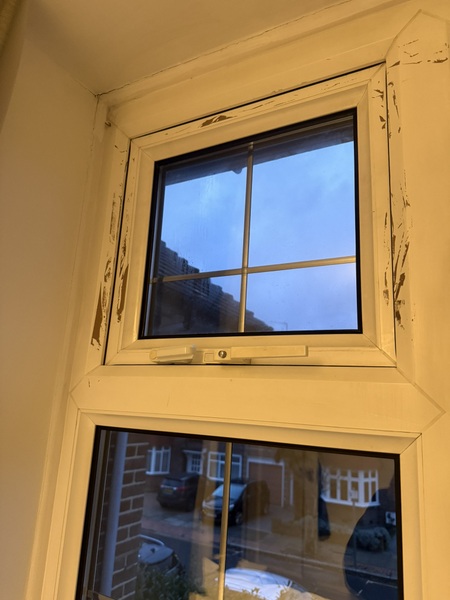
UPVC windows have their own mechanism challenges, particularly for opening windows that operate regularly.
Casement windows use espagnolette locking systems with a central handle operating rods that extend into keeps at window edges. These systems suffer from the same problems as door multipoint locks.
Handles may spin without engaging locks. Locking points may not fully extend or retract. Windows may lock but not open, or open but not lock. Failed espagnolettes need replacement of the complete mechanism.
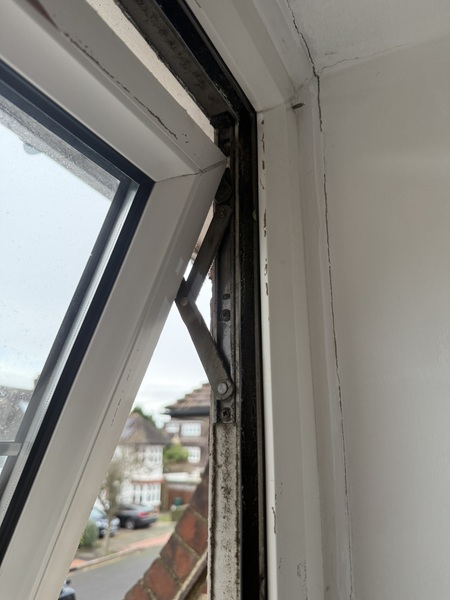
Friction stays are the hinged arms that control how windows open and hold them in position. They’re under constant tension and wear over time.
Worn friction stays cause windows to drop when opened, not staying in position but falling closed or swinging open further than intended. Seized stays make windows hard to open or close. Broken stays may leave windows unable to open at all or unable to close securely.
Friction stay replacement restores proper window operation with appropriate resistance that holds windows at chosen positions.
Window handles suffer similar problems to door handles. Spindles wear, connections loosen, and handles become ineffective. Window handles also suffer from paint or debris contamination since they’re often forgotten during decorating.
We replace window handles individually or across multiple windows where several have problems. Matching existing handle styles maintains appearance while restoring function.
Older UPVC windows may have cockspur handles that rotate to engage wedge-shaped keeps. These simpler mechanisms are reliable but do eventually wear out.
Worn cockspur handles don’t grip tightly, leaving windows insecure. Replacement with matching or upgraded handles restores security. Sometimes, the keepers also need replacement if they are excessively worn.
Tilt and turn windows have complex mechanisms allowing both inward tilting for ventilation and full opening for cleaning or emergency egress. These sophisticated systems have more components that can potentially fail.
Common problems include mechanisms sticking between positions, windows opening when they should tilt, tilting when they should open, or not securing properly in either mode. Tilt-and-turn repairs require understanding the specific mechanism design.
Standard window hinges also wear and fail. Seized hinges make windows difficult to operate. Worn hinges allow windows to drop or move loosely. Broken hinges may leave windows unable to close or secure properly.
Hinge replacement restores smooth operation. We match replacement hinges to existing window preparations and frame configurations.
Understanding why UPVC mechanisms fail helps explain repairs and prevention.
All mechanical components have finite lifespans. Daily use gradually wears internal parts, springs lose tension, and tolerances increase. Well-made mechanisms last many years but eventually need attention. This is norThis is normal and expected, not defective.ack of Maintenance
UPVC mechanisms benefit from occasional lubrication but rarely receive it. Dry mechanisms wear faster, work harder, and fail sooner. Annual lubrication significantly extends the mechanism’s life. Most people never think about this until problems develop.
Mechanisms accumulate dust, grit, and debris that accelerate wear and impede operation. Coastal properties face salt contamination. Urban properties accumulate pollution particles. Regular cleaning helps, but doesn’t eliminate this issue.
When mechanisms start struggling, people often force them. Lifting handles harder, pushing doors while turning keys, and wrestling with stiff windows all accelerate damage. What might have been simple adjustments become component failure.
Building movement affects door and window alignment. Frames shift slightly, changing relationships between mechanisms and keeps. Locks that aligned perfectly when installed may struggle after buildings settle.
Some mechanism problems trace back to the original installation. Frames fitted out of square, mechanisms adjusted incorrectly, or inferior components installed from new all cause premature problems. We see this regularly in cheaper installations and in some new-build properties.eather Exposure
Mechanisms exposed to weather suffer more than protected ones. Entrance doors facing prevailing rain, windows without adequate seals, and hardware exposed to temperature extremes all deteriorate faster.
Effective mechanism repair requires accurate diagnosis before attempting fixes.
We assess what’s actually wrong before replacing components. Symptoms often have multiple possible causes. Doors that won’t lock might have gearbox failures, dropped hinges, worn cylinders, or frame movement problems. Each needs different solutions.
Proper diagnosis prevents unnecessary component replacement and ensures repairs address actual problems. We explain what we find and why recommended repairs will resolve issues.
Not everything needs replacing. Hinges often need adjustment rather than replacement. Locks may need lubrication and realignment rather than new gearboxes. Keeps can sometimes be repositioned rather than replaced.
We repair where it makes sense, saving replacement costs where components have life remaining. However, we won’t bodge repairs that will fail quickly just to save short-term costs.
When replacement is needed, we use quality components. Cheap mechanisms fail quickly, wasting money spent on fitting labour. Quality replacements cost more initially but prove more economical over time.
We source parts appropriate for your specific doors and windows. Many components need to be matched to existing preparations, not generic alternatives that almost fit.
After repairs, thorough adjustment ensures everything works properly. Lock engagement is tested at every point. The operation gets checked for a smooth feel and proper return. Windows get opened, closed, and locked repeatedly to confirm reliable operation.
We don’t leave until repairs are working properly and you’re satisfied with the operation.
UPVC mechanism repairs depend on obtaining the correct replacement parts.
We carry stock of commonly needed parts, including popular gearbox types, euro cylinders, door handles, window handles, and friction stays. Common repairs are often completed in single visits using stock we carry.
Less common mechanisms, older systems, and specific manufacturer components may need sourcing. We identify exactly what’s needed, source from appropriate suppliers, and return to complete repairs once parts arrive.
Sourcing adds time but ensures correct parts rather than ill-fitting alternatives. For unusual systems, photographs and measurements help accurately identify requirements.bsolete Systems
Some older UPVC systems have parts that are no longer manufactured. Where exact replacements don’t exist, we discuss alternatives. Sometimes, compatible parts from other manufacturers work. Sometimes, mechanism upgrades offer solutions. Occasionally, door or window replacement becomes the only practical option.
We’re honest when parts aren’t available rather than wasting time searching for things that don’t exist.
UPVC mechanisms are primarily about security. Repair decisions should consider security implications.
Mechanism failures often compromise security. Locks that don’t fully engage, doors that don’t close properly, and windows that won’t fully secure create vulnerability. Prompt repair restores security that protects your property.
Mechanism replacement provides an opportunity to upgrade security. Better cylinders with anti-snap, anti-pick, and anti-bump features improve door security. Higher security handles and reinforced hinges add protection. Insurance requirements sometimes specify security standards we can help achieve.
When repairs can’t be completed immediately due to parts sourcing, we discuss temporary security measures. Additional locks, temporary securing methods, and workarounds help maintain security while awaiting complete repairs.
Simple maintenance extends the mechanism’s life and reduces repair needs.
Annual lubrication keeps mechanisms operating smoothly. Light machine oil on moving parts, graphite or PTFE lubricant on lock mechanisms, and silicone spray on rubber seals all help. Avoid thick grease that attracts dirt and gums up mechanisms.
Wipe handles, clean around lock keeps, and remove debris from window tracks periodically. Preventing dirt from entering mechanisms reduces wear.
If mechanisms become stiff or difficult, investigate rather than forcing. Early attention prevents small problems from becoming major failures. Forcing almost always makes things worse.
Open and close doors and windows fully, checking for smooth operation. Look for rubbing, catching, or difficulty engaging locks. Address alignment issues before they cause mechanical damage.
We repair UPVC door and window mechanisms throughout Enfield, Barnet, Haringey and surrounding North London areas. From 1980s installations needing obsolete parts to modern systems requiring routine repairs, we handle the full range of UPVC mechanism work.
Our coverage includes Southgate, Finchley, Edmonton, Tottenham, Palmers Green, Cockfosters, Wood Green, Muswell Hill, East Barnet, New Barnet, Bounds Green, Arnos Grove, Oakwood, Winchmore Hill, and neighbouring areas.
North London has properties with UPVC installations spanning four decades. We’re familiar with mechanisms from various eras and manufacturers, understanding what’s repairable, what needs replacing, and where parts can be sourced.
Some UPVC work falls outside our scope.
Sealed unit replacement for misted or failed double glazing needs glazing specialists. We repair mechanisms but don’t replace glass units.
Full door or window replacement when frames have failed, warped, or need upgrading requires UPVC installation specialists. We repair mechanisms in existing frames rather than installing new frames.
Composite door mechanisms differ from standard UPVC and sometimes need specialist attention depending on the manufacturer and design.
High security or commercial grade systems may need specialist locksmiths or manufacturer service rather than general repair.
We’re clear about our scope and happy to recommend specialists for work beyond our expertise.
Mechanism repair costs depend on what’s wrong, what parts are needed, and how long repairs take.
Simple repairs like handle replacement, hinge adjustment, or cylinder replacement are relatively quick and inexpensive. Complex repairs involving gearbox replacement, multipoint lock overhaul, or multiple component failures take longer and cost more.
Parts costs vary significantly. Common gearboxes cost less than specialist ones. Standard cylinders cost less than high security versions. We provide clear quotations detailing labour and parts, so you understand exactly what you’re paying for.
For mechanism problems, we often can’t quote accurately without seeing what’s wrong. We charge for diagnostic visits that determine exactly what repairs are needed, then provide firm quotations for repair work.
Several things cause locking problems. The gearbox behind the handle may have failed. The door may have dropped on its hinges, misaligning locking points with the keeps. The multipoint lock mechanism may be worn or damaged. The euro cylinder might be failing. We diagnose exactly what’s wrong before recommending specific repairs.
Sometimes, adjustment, lubrication, or minor repairs restore proper operation. At other times, components have failed beyond repair and need to be replaced. We assess honestly and repair where it makes sense rather than automatically replacing everything.
Quality mechanisms last 15 to 25 years with reasonable use and occasional maintenance. Cheaper mechanisms may fail sooner. Heavy use, lack of lubrication, and forcing struggling mechanisms all reduce lifespan. Many mechanisms we repair are simply worn out after years of faithful service.
Spinning handles typically indicate failed connections between handles and mechanisms. The spindle inside the handle may have worn, the gearbox connection may have stripped, or the espagnolette mechanism may have failed. We determine exactly where the failure is and repair accordingly.
We carry common parts, including popular gearboxes, cylinders, handles, and friction stays. Many repairs are completed in a single visit. Less common or older system parts may need sourcing, adding time to the completion of repairs. We explain parts availability during initial assessment.
Mechanism repair is almost always more economical than full replacement if frames are sound. Even older UPVC frames often have years of life remaining. Mechanism repairs costing hundreds save thousands compared to replacement. However, if frames are failing, warped, or of very poor quality, replacement may make more sense. We advise honestly based on the overall condition.
UPVC mechanism problems are frustrating and compromise security, but most are repairable without expensive door or window replacement. Accurate diagnosis identifies exactly what’s wrong. Quality repairs using appropriate parts restore reliable operation for years to come.
A Handy Hand repairs UPVC door and window mechanisms across North London, handling everything from simple handle replacements to complex multipoint lock overhauls. We diagnose problems properly, repair where possible, replace when necessary, and leave everything working as it should.
Call 020 8103 5151 or email info@ahandyhand.co.uk to arrange UPVC mechanism repairs.
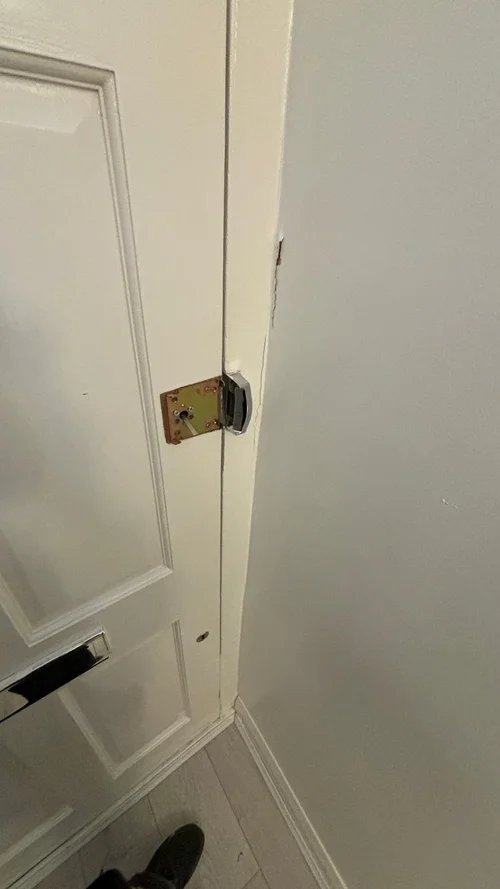
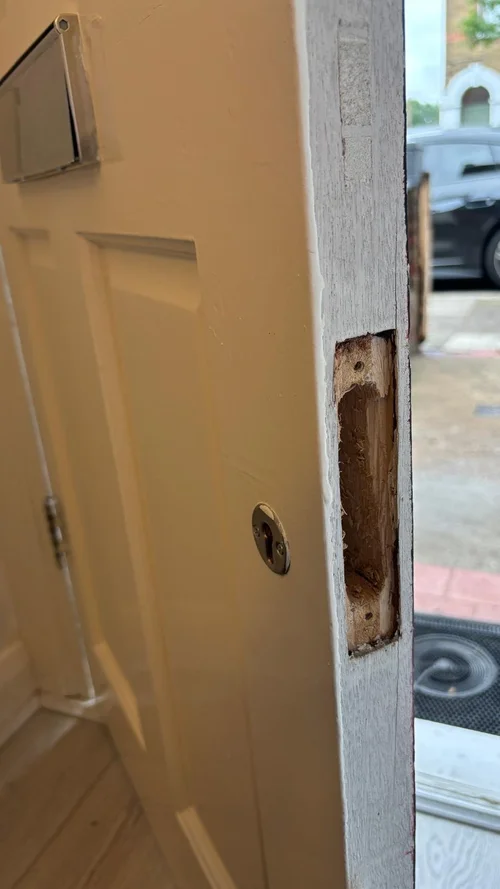
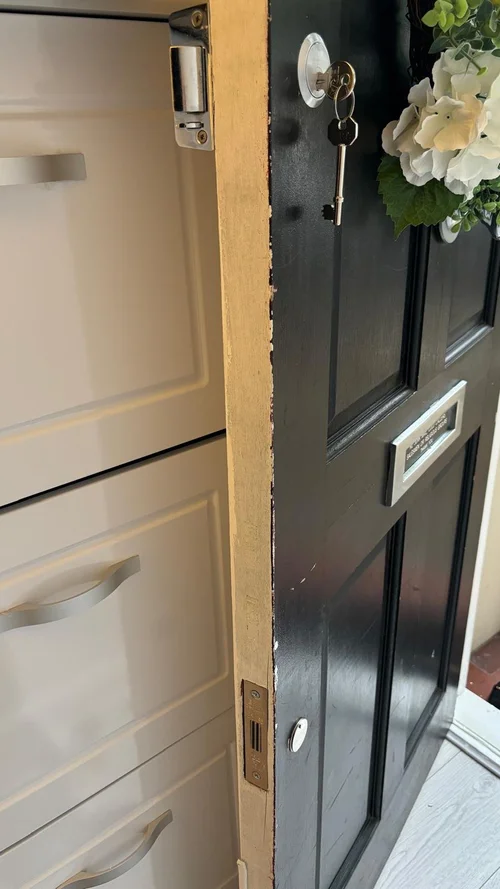
Rim cylinder and 5 lever BS mortice replacement on the front door